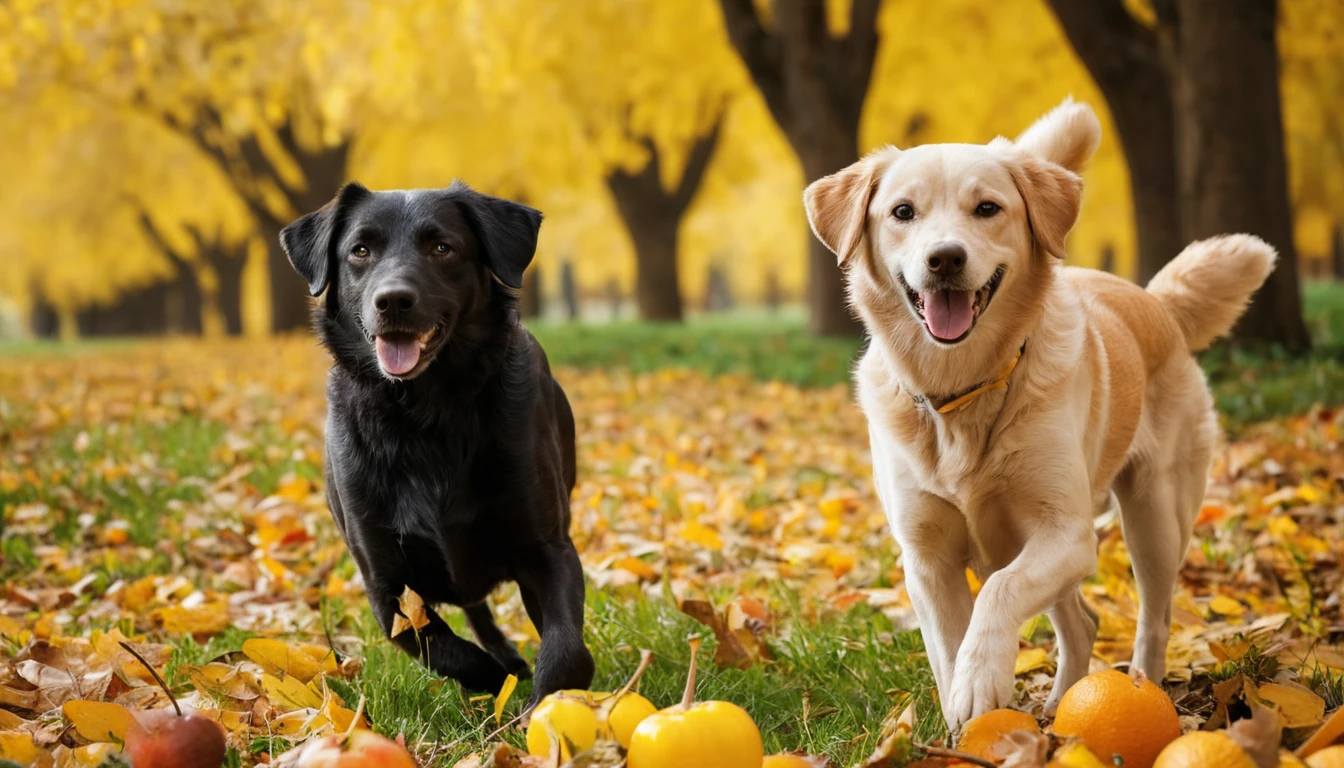
Dogs experience changes in their bodies throughout the year. Their energy levels, weight, and growth patterns respond to seasonal shifts. A proper canine diet must match these changes to support dog growth and maintain balanced health. Seasonal adjustments also affect pet calorie requirements. By understanding how the seasons shape food needs, owners can make better decisions about feeding habits.
Seasonal Influence on Dog Growth
Dog growth depends on age, breed, and overall health, but seasonal changes also influence how their bodies use nutrients. Puppies and young dogs often need additional calories in colder months to stay warm and develop strong muscles, while adult dogs may require fewer calories to maintain a healthy weight. Adjusting feeding habits throughout the year helps prevent both undernourishment and excessive weight gain, keeping dogs healthy and active in every season.
Pet owners who want to fine-tune their dog’s diet can use tools like the pet alliance calorie calculator to determine accurate daily calorie requirements based on age, size, and activity levels. This approach makes meal planning more precise and helps avoid common feeding mistakes. By understanding seasonal needs and leveraging smart nutritional tools, owners can create a balanced diet that supports growth, energy, and long-term health for their furry companions.
Growth During Colder Seasons
Cold weather raises energy demands. The body uses extra calories to stay warm. For puppies in their growth phase, this increase matters even more. A canine diet in winter should include slightly higher pet calorie intake to cover both growth and temperature regulation. If a puppy receives less food during this stage, growth may slow down. Owners must observe body condition closely and adjust meals as needed.
Growth During Warmer Seasons
In hot months, the body does not use as many calories for warmth. Puppies and adult dogs may reduce their activity due to heat. This combination lowers calorie needs. Overfeeding during this period can cause weight gain. For proper dog growth, meals should be balanced and portioned based on activity. A canine diet rich in lean protein and water content supports healthy growth without adding unnecessary calories.
Canine Diet Adjustments by Season
The canine diet must provide energy, protein, fats, and hydration in amounts that match seasonal needs. While the base nutrition remains the same, adjustments in calorie levels and food types help maintain steady health.
Winter Diet Needs
Winter requires higher calorie intake. Dogs burn more energy to regulate body heat. Larger breeds and outdoor dogs need greater adjustments compared to smaller indoor dogs. Extra fat in the diet can provide energy reserves. However, the focus should remain on quality protein to support muscle maintenance and growth. Hydration is also important, as dogs may drink less in cold weather. Owners can add moisture-rich foods or broth to meals to support fluid intake.
Summer Diet Needs
Summer often reduces appetite. Dogs may prefer lighter meals that still meet nutritional demands. A canine diet in this season should prioritize hydration and easily digestible foods. Fresh vegetables and lean meats help keep calorie intake balanced. Frozen treats made from safe ingredients can provide relief while supplying extra hydration. Monitoring body weight is essential, as excess pet calorie intake can quickly lead to obesity in hot weather.
Spring Diet Needs
Spring increases activity as dogs spend more time outdoors. Growth in young dogs may speed up with higher playtime and exercise. The canine diet during this season should match the rising energy demand. Protein and calorie adjustments ensure dogs have enough strength for increased activity. Seasonal allergies can also affect appetite, so meals may need to be more appealing to encourage proper food intake.
Fall Diet Needs
Fall prepares dogs for winter. Appetite often rises as the body naturally increases energy storage. For dog growth, this season is crucial for building healthy body condition before colder weather. The canine diet can include slightly more calories, but careful monitoring is important to avoid excessive weight gain. Balanced meals with steady protein and controlled fats help prepare the body for the next season.
Role of Pet Calorie Management
Pet calorie management is the center of seasonal feeding. Too many calories can lead to obesity, while too few can harm growth and energy. Seasonal shifts change how the body uses calories, making portion control an ongoing task for dog owners.
How to Measure Calorie Needs
Owners can calculate approximate calorie needs based on weight, age, and activity level. A growing dog requires more calories than an adult dog at rest. Cold weather increases the requirement, while hot weather lowers it. Tracking weight regularly helps ensure the calorie intake is correct. If weight rises or falls outside the normal range, food portions should be adjusted.
Balancing Growth and Weight
Puppies require steady energy to grow, but too much food can cause unhealthy weight gain. Seasonal adjustments prevent these problems. A canine diet with measured pet calorie intake ensures proper growth without obesity risks. For adult dogs, maintaining weight is the primary goal. Seasonal feeding makes this balance easier to achieve.
Seasonal Health Risks and Diet
Each season brings risks that connect directly to diet. Adjusting food helps reduce these risks and supports steady dog growth.
Winter Risks
Cold weather may lead to dry skin, joint stiffness, and reduced hydration. Adding omega-3 fatty acids supports skin health, while protein-rich diets help keep muscles strong. Moisture-rich foods encourage hydration.
Summer Risks
Heat raises risks of dehydration and heatstroke. Fresh water must always be available. Foods with high water content support hydration. Heavy meals may increase body temperature, so smaller, frequent meals are better.
Spring Risks
Allergies are common in spring. Dogs may eat less during allergy flare-ups. To maintain growth, meals should be rich in protein and offered in appealing forms. Adding probiotics may support digestive health during this season.
Fall Risks
Fall weight gain is common. Dogs eat more as their bodies prepare for winter. If calorie intake is not controlled, obesity may occur. Careful feeding with portion control prevents this problem.
Practical Tips for Owners
- Monitor body weight every season.
- Adjust food portions based on activity and temperature.
- Focus on protein for growth and muscle maintenance.
- Provide fresh water daily, especially in summer.
- Use seasonal foods like vegetables and broth for variety.
- Keep treats limited to avoid extra calorie intake.
- Match feeding habits with the dog’s age and lifestyle.
Conclusion
The canine diet must adapt to seasonal changes to support dog growth and health. Cold weather increases calorie needs, while hot weather lowers them. Spring raises activity demands, and fall builds energy reserves. By adjusting meals and managing pet calorie intake, owners help dogs maintain steady growth, balanced weight, and strong health throughout the year. Understanding seasonal influence makes feeding more effective and ensures dogs thrive in every season.
 Little Stories