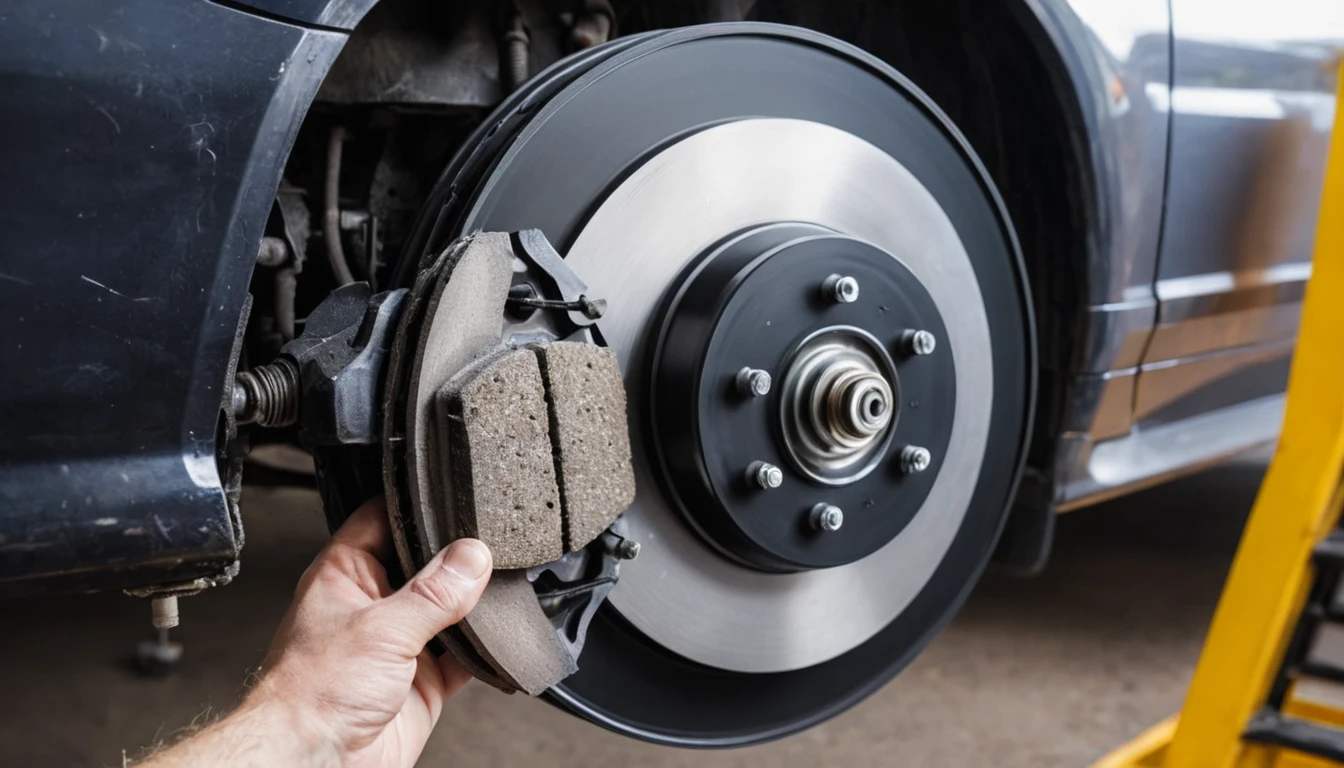
Brake pad replacement plays a key role in vehicle safety and daily driving control. Many drivers delay this service because the car still moves and stops. This delay creates risk for the braking system, the car suspension, and other connected parts. Brakes do more than slow a vehicle. They support balance, steering control, and road grip. When brake pads wear out, stopping distance increases and stress spreads to other systems. This includes suspension repair needs that often appear later. Understanding how brake pads work and why timely replacement matters helps drivers avoid damage, high costs, and unsafe driving conditions.
Understanding How Brake Pads Work
Brake pads press against the brake rotors when the driver steps on the pedal. This action creates friction that slows the wheels. The pads wear down by design. Each stop removes a small layer of material. Over time, this material becomes thin and weak. When pads lose thickness, braking force drops. The driver may need more pedal pressure to stop the car.
Brake pads also help manage heat. During braking, friction creates heat that must stay within safe limits. Good pads absorb and release heat evenly. Worn pads fail to do this. Heat then transfers to rotors, calipers, and wheel hubs. This heat buildup affects nearby systems, including the car suspension, which relies on stable wheel movement and balance.
Why Brake Pad Replacement Affects Safety
Brake pad replacement directly affects how fast a car can stop, especially in busy South Bay traffic. Thin pads increase stopping distance, which raises the risk of rear-end collisions and unsafe emergency braking. Drivers may notice vibration, grinding noise, or a soft brake pedal, all of which signal reduced control. These warning signs often appear before serious failure, making timely inspection critical. Shops like Torrance Motors, known locally as Car Suspension Specialists, understand how braking performance works together with suspension balance to keep vehicles stable during sudden stops.
Brake failure often begins quietly but becomes dangerous when ignored. A vehicle with weak brakes struggles on slopes, wet roads, and high-speed situations where precision matters. Modern safety systems such as ABS depend on healthy brake pads to manage wheel lock and maintain traction. When pads wear down, these systems lose effectiveness, increasing stopping unpredictability. Regular brake checks help maintain control, protect other safety components, and support consistent handling in everyday driving.
Warning Signs You Should Never Ignore
Brake pads send clear signals when they need replacement. These signs appear during normal driving and braking.
Squealing or grinding sounds often mean the pad material is almost gone. Many pads include a wear indicator that creates noise on purpose. Vibration during braking can signal uneven pad wear or rotor damage. A soft or low brake pedal often points to worn pads or fluid issues. Pulling to one side during braking may mean uneven pad wear, which also affects suspension alignment.
Ignoring these signs increases damage. What starts as a simple brake pad replacement can turn into rotor replacement, caliper repair, and suspension repair.
The Hidden Cost of Delayed Brake Pad Replacement
Delaying brake pad replacement increases repair costs. Worn pads damage rotors by grinding metal against metal. Rotors then need resurfacing or replacement. Calipers may overheat and seize. Brake fluid may degrade from excess heat.
These issues also affect the car suspension. Uneven braking places uneven force on suspension components. Control arms, bushings, and struts absorb extra stress. Over time, this stress causes premature wear. Drivers then face suspension repair that could have been avoided.
Brake Pads and Car Suspension Connection
Many drivers see brakes and suspension as separate systems. In reality, they work together during every stop. When brakes apply force, weight shifts forward. The car suspension manages this weight transfer. Healthy suspension keeps tires in contact with the road during braking.
Worn brake pads create uneven braking force. This uneven force disrupts suspension balance. Shocks and struts must work harder to stabilize the vehicle. Over time, this leads to suspension wear. Brake pad replacement helps protect the car suspension by keeping braking force smooth and balanced.
How Brake Pad Wear Impacts Steering Control
Steering control depends on balanced braking. When brake pads wear unevenly, one wheel may slow faster than others. This pulls the steering wheel to one side. The driver must correct the direction manually, which reduces control.
This steering pull also stresses suspension parts. Tie rods, ball joints, and alignment angles suffer. Suspension repair often follows prolonged uneven braking. Timely brake pad replacement helps maintain straight stops and stable steering.
Brake Pad Replacement and Tire Life
Tires rely on even braking force to wear evenly. Worn brake pads cause uneven pressure on tires. This leads to flat spots, cupping, and rapid tread loss. Poor tire wear affects grip and handling.
Uneven tire wear also signals suspension problems. Drivers may replace tires without fixing the root cause. In many cases, brake pad replacement prevents these issues before they affect tires and suspension.
How Driving Habits Affect Brake Pad Life
Driving style plays a major role in brake pad wear. Frequent hard stops wear pads faster. Stop-and-go traffic increases brake use. Heavy loads and towing also increase braking demand.
Riding the brake pedal keeps pads in contact with rotors, which increases heat and wear. Downshifting and smooth braking extend pad life. Regular inspections help drivers plan brake pad replacement before damage occurs.
Different Types of Brake Pads and Their Role
Brake pads come in several types. Each type affects braking feel, noise, and wear.
Organic pads offer quiet operation and smooth stops. They wear faster and produce more dust. Semi-metallic pads provide strong braking and better heat control. They last longer but may create noise. Ceramic pads offer clean operation and consistent braking. They cost more but reduce rotor wear.
Choosing the right pad type supports both braking performance and suspension health. Poor pad choice can increase vibration and stress on suspension parts.
How Brake Pad Replacement Supports Suspension Repair Prevention
Many suspension repair cases link back to braking issues. Worn pads cause vibration and uneven force. This force travels through wheel hubs into suspension arms and mounts.
Replacing brake pads on time keeps braking force even. This protects shocks, struts, and bushings from extra stress. Regular brake service reduces the chance of needing major suspension repair later.
The Role of Regular Inspections
Routine brake inspections identify pad wear early. Technicians check pad thickness, rotor condition, and caliper function. They also look for signs of uneven wear that may indicate suspension issues.
Inspections often reveal alignment problems, worn bushings, or strut leaks. Early detection allows minor suspension repair instead of major replacement. Brake pad replacement often becomes part of a larger preventive maintenance plan.
Brake Pad Replacement and Vehicle Balance
Vehicle balance affects braking, steering, and ride comfort. Brake pads play a role in this balance. Even pad wear ensures equal braking force on all wheels. This keeps the vehicle stable during stops.
Unbalanced braking causes nose dive, wheel hop, and rear lift. These movements stress suspension parts. Replacing brake pads restores balance and protects the car suspension from uneven load.
How Weather and Road Conditions Matter
Weather affects brake pad wear. Wet roads increase braking distance and pad use. Salt and moisture cause corrosion on brake components. Heat in summer increases brake temperatures.
Poor road conditions increase braking demand. Potholes and rough surfaces add suspension stress. Combined with worn brake pads, these conditions accelerate suspension damage. Timely brake pad replacement helps manage these challenges.
Long-Term Benefits of Timely Brake Pad Replacement
Replacing brake pads on time offers long-term benefits. Drivers enjoy shorter stopping distance and better control. Brake systems last longer with less damage to rotors and calipers.
The car suspension also benefits from smooth braking force. Suspension parts last longer and perform better. Tire wear stays even. Fuel efficiency may improve due to reduced drag from dragging brakes.
Brake Pad Replacement as Part of Complete Vehicle Care
Brake pad replacement should never be treated as a single task. It connects to steering, tires, and suspension. Ignoring brake wear creates a chain reaction of damage.
A complete care approach includes brake service, suspension checks, and alignment reviews. This approach reduces repair costs and improves safety. Drivers gain confidence in daily driving and emergency situations.
Final Thoughts on Brake Pad Replacement
Brake pad replacement matters more than many drivers realize. It protects safety, control, and comfort. It also plays a role in preventing suspension repair and preserving the car suspension system.
Worn brake pads affect more than stopping power. They influence steering, tire wear, and suspension health. Timely replacement keeps braking force even and reduces stress on connected parts.
Drivers who understand this connection make better maintenance decisions. Brake pad replacement becomes a key step in keeping a vehicle safe, stable, and reliable for years.
 Little Stories