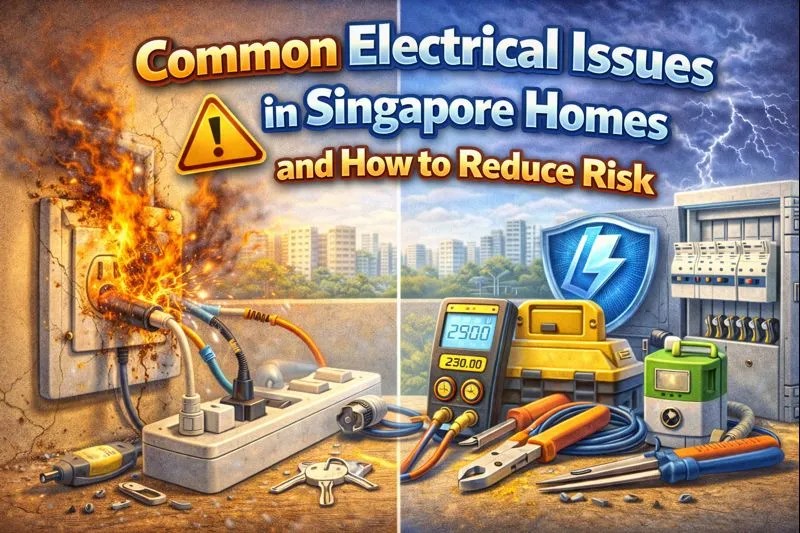
Electrical issues affect many households each year, and they remain a key safety concern in Singapore homes. A stable electrical system supports daily life, powers essential devices, and protects property from damage. When faults appear, they often show early signs that homeowners ignore. This article explains common electrical issues in Singapore homes, why they happen, and how residents can reduce risk through clear and practical steps.
Understanding Electrical Safety in Singapore Homes
Singapore homes rely on structured electrical standards and regulated supply systems. Even with these controls, electrical issues still occur due to aging wiring, high appliance usage, and limited awareness. Many homes use multiple devices at the same time, which places pressure on circuits. Poor handling of repairs also increases risk. Electrical issues do not stay small when ignored. They grow into hazards that can cause power loss, equipment damage, or fire.
Homeowners should understand that electrical safety starts with awareness. When residents know common problems, they can respond early. Early response reduces repair cost and lowers danger. Electrical safety also depends on regular checks and correct usage habits.
Common Electrical Issues Found in Singapore Homes
Electrical issues appear in many forms across Singapore homes. Some problems develop slowly, while others happen without warning. Each issue has clear causes and warning signs.
Frequent Power Trips and Circuit Breaker Shutdowns
Power trips rank among the most common electrical issues in Singapore homes. Circuit breakers shut down when they detect excess current. This action protects wiring from heat damage.
Frequent trips often signal overloaded circuits. Many homes use extension cords to connect several devices to one outlet. Air conditioners, water heaters, and kitchen appliances draw high power. When these devices run together, the circuit overloads. Old breakers may also trip more often due to wear.
To reduce risk, homeowners should spread appliances across different outlets. They should avoid using multi-plug adapters for high-power devices. A licensed electrician can assess load balance and upgrade the circuit if needed.
Flickering or Dimming Lights
Flickering lights point to unstable electrical flow. This issue affects both old and new Singapore homes. Loose wiring remains the main cause. Faulty switches and worn sockets also trigger this problem.
In some cases, flickering happens when large appliances turn on. This reaction shows that the circuit struggles to handle demand. If flickering continues, it can damage light fixtures and appliances.
Residents should not ignore this sign. A professional inspection helps locate loose connections. Tightening or replacing faulty parts restores stable lighting and lowers fire risk.
Warm or Burning Smell from Outlets
A burning smell near outlets signals a serious electrical issue. Heat builds up when wires fail or insulation breaks down. This problem often appears in older Singapore homes where wiring has aged.
Outlets may feel warm before the smell appears. This heat means current flow faces resistance. Resistance leads to overheating. If ignored, it can start a fire inside walls.
Homeowners should stop using the outlet at once. They should cut power at the main switch and call a licensed electrician. Replacing damaged wiring and outlets removes the danger.
Loose Power Sockets and Switches
Loose sockets create unstable connections. Plugs may fall out easily or feel insecure. This issue seems minor but causes sparks inside the outlet.
Sparks raise temperature and damage socket housing. Over time, this damage leads to short circuits. In Singapore homes, frequent plug use and low-quality fittings increase this risk.
Replacing loose sockets prevents further damage. Homeowners should avoid temporary fixes like tape or forceful plugging. Proper replacement ensures safe contact and steady power flow.
Electrical Shocks from Appliances
Electrical shocks occur when current leaks from an appliance. This problem often links to poor grounding. Damaged cords and internal faults also cause shocks.
In Singapore homes, shocks often happen in kitchens and bathrooms. Water presence raises risk by lowering resistance. Even mild shocks indicate a fault that needs attention.
Residents should unplug the appliance and avoid further use. An electrician can test grounding and inspect wiring. Proper earthing and appliance repair reduce shock risk.
Causes Behind Electrical Issues in Singapore Homes
Understanding causes helps homeowners prevent future problems. Electrical issues in Singapore homes often share common roots.
Aging Electrical Wiring Systems
Many residential buildings in Singapore are decades old, and their electrical systems were installed for a very different lifestyle. Older homes rely on wiring that was never intended to handle today’s heavy power demand from air conditioners, entertainment systems, kitchen appliances, and smart devices running at the same time. As electrical usage increases, aging wires heat up faster, insulation becomes brittle, and exposed conductors become more common, all of which increase the risk of faults and electrical fires.
This is why regular inspections and timely upgrades matter, especially for homes over twenty years old. Reliable service providers like LS Electrician Services Singapore understand the challenges of aging electrical infrastructure and focus on identifying hidden risks before they turn into serious problems. Upgrading outdated wiring not only improves safety but also ensures a stable power supply that meets modern household needs without unexpected interruptions.
Overuse of Extension Cords and Adapters
Extension cords offer convenience but create risk when overused. Many Singapore homes rely on adapters due to limited outlets. This habit leads to overloaded sockets.
Continuous overloading weakens wiring and sockets. Heat builds up at contact points. Over time, this heat damages insulation and causes short circuits.
Installing additional wall outlets provides a safer solution. Homeowners should reserve extension cords for temporary use only.
Poor Quality Electrical Components
Low-quality switches, sockets, and cables wear out faster. Some components fail to meet safety standards. These parts increase risk even in new Singapore homes.
Faulty components may not handle rated current. They overheat and fail under normal use. Choosing certified products reduces this risk.
Residents should purchase electrical fittings from trusted suppliers. Licensed electricians can recommend suitable components for home use.
Lack of Regular Electrical Inspections
Many homeowners skip routine electrical checks. They wait until a fault appears. This delay allows small issues to grow.
Regular inspections identify weak points before failure. Electricians can test load, grounding, and insulation condition. Early repair costs less and improves safety.
Singapore homeowners should schedule inspections every few years, or after major renovations.
Electrical Issues Related to Specific Areas in the Home
Different areas in Singapore homes face different electrical risks. Each area uses power in distinct ways.
Living Rooms and Bedrooms
Living rooms often host entertainment systems, chargers, and lighting. Overloading power strips remains common. Bedrooms also face similar issues with air conditioners and heaters.
Loose plugs and hidden wiring faults cause many problems here. Residents should avoid placing cords under carpets, as heat builds up unnoticed.
Clear cable paths and balanced load use improve safety in these areas.
Kitchens
Kitchens consume high power due to ovens, refrigerators, and microwaves. Water exposure adds extra risk. Faulty outlets near sinks pose danger.
Dedicated circuits for major appliances reduce overload. Ground fault protection adds another safety layer. Regular checks prevent shocks and power loss.
Bathrooms
Bathrooms require strict electrical safety. Water and electricity form a dangerous mix. Shocks often occur due to poor grounding or damaged fixtures.
Using moisture-rated fittings reduces risk. Homeowners should avoid using portable devices near water sources. Professional installation ensures correct safety measures.
How to Reduce Electrical Risks in Singapore Homes
Risk reduction depends on habits, maintenance, and professional support. Homeowners can take several steps to improve safety.
Use Licensed Electricians for All Electrical Work
Licensed electricians follow safety rules and local codes. They test systems after installation and repair. This practice reduces hidden faults.
DIY electrical work often leads to mistakes. Incorrect connections and poor insulation increase risk. Hiring professionals ensures safe and lasting solutions.
Upgrade Electrical Panels and Wiring When Needed
Electrical panels control power distribution. Old panels struggle with modern demand. Upgrading panels improves load handling and protection.
New wiring materials offer better insulation and heat resistance. Upgrades support appliance use and reduce fire risk.
Install Safety Devices and Protection Systems
Safety devices add protection against faults. Circuit breakers, residual current devices, and surge protectors limit damage.
These devices cut power during faults. They protect people and equipment. Installing them adds a strong safety layer to Singapore homes.
Practice Safe Daily Electrical Habits
Daily habits shape long-term safety. Residents should unplug unused devices. They should avoid damaged cords and replace them early.
Clear labeling of circuits helps during emergencies. Keeping outlets dry and clean also reduces risk.
Role of Awareness and Education in Electrical Safety
Awareness supports prevention. Many electrical issues in Singapore homes arise due to lack of knowledge. Simple education helps residents recognize early signs.
Community programs and online resources can improve understanding. Homeowners who learn basic safety rules respond faster to problems. This response protects families and property.
Electrical safety education also supports children and elderly residents. Clear rules reduce accidents and build safe habits.
Electrical Issues and Fire Risk in Singapore Homes
Electrical faults remain a leading cause of residential fires. Overheating wires and short circuits start fires behind walls. These fires spread fast due to hidden ignition points.
Early detection prevents disasters. Smoke detectors and routine checks support early action. Reducing electrical issues lowers fire risk and improves overall safety.
Homeowners should treat electrical maintenance as part of fire prevention. This approach protects lives and assets.
Conclusion
Electrical issues affect many Singapore homes due to aging systems, heavy appliance use, and limited awareness. Common problems include power trips, flickering lights, loose sockets, and electrical shocks. Each issue carries risk when ignored. Understanding causes helps residents take action early.
Risk reduction depends on regular inspections, safe habits, and professional support. Licensed electricians, quality components, and system upgrades play key roles. Awareness and education strengthen prevention and improve response.
By addressing electrical issues early, Singapore homes become safer and more reliable. A stable electrical system supports daily life and protects families from harm.
 Little Stories