Dental Care plays a key role in overall health. A healthy mouth supports eating, speaking, and confidence. Preventive Dental Care helps stop problems before they start. It focuses on regular checkups, cleanings, and daily habits that protect teeth and gums. This article explains why Preventive Dental Care matters and how it builds a strong base for a healthy smile.
What Preventive Dental Care Means
Preventive Dental Care includes actions that stop dental problems. Dentists and patients share this responsibility. Dentists provide exams, cleanings, and screenings. Patients brush, floss, and follow healthy habits. This type of Dental Care reduces the risk of cavities, gum disease, and tooth loss.
Preventive Dental Care also includes fluoride treatments, sealants, and early treatment for minor issues. These steps keep teeth strong and gums healthy.
The Link Between Oral Health and Overall Health
Oral health affects the whole body. Gum disease can link to heart disease, diabetes, and other conditions. Infections in the mouth can spread and cause serious issues. Preventive Dental Care helps reduce these risks.
A healthy mouth also improves nutrition. Strong teeth allow people to chew food well. This supports digestion and nutrient intake. Good Dental Care also improves speech and self-esteem.
Daily Habits That Support Preventive Dental Care
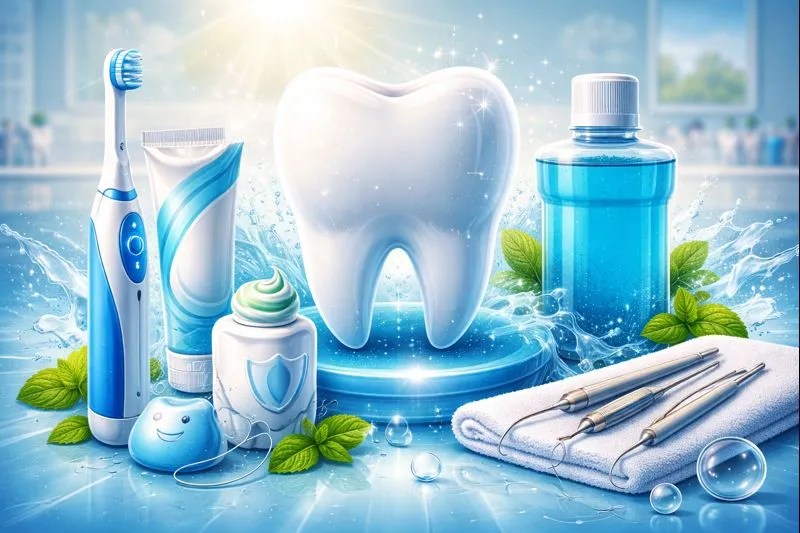
Daily habits form the base of Preventive Dental Care. Brushing twice a day removes plaque and food particles. Flossing once a day cleans areas that a brush cannot reach. Mouthwash adds another layer of protection.
Diet also matters. Sugary and acidic foods can harm enamel. Drinking water helps rinse the mouth and supports saliva flow. Avoiding tobacco products protects gums and teeth.
The Role of Regular Dental Checkups
Regular dental visits are a core part of Preventive Dental Care. Dentists check for cavities, gum disease, and other issues to maintain long-term oral health. Clinics like Burwood Diamond Dental also clean teeth to remove plaque and tartar, which helps reduce the risk of tooth decay and gum problems. These visits help catch issues early, making treatment simpler and more affordable.
Dentists also provide guidance on brushing, flossing, and diet habits that support healthy teeth and gums. They may suggest tools like electric toothbrushes or interdental brushes to improve daily cleaning. This guidance helps patients maintain a strong Dental Care routine and supports better oral hygiene over time.
Professional Cleanings and Their Benefits
Professional cleanings remove tartar that brushing cannot remove. Dental hygienists polish teeth and reduce surface stains. Cleanings help prevent gum disease and bad breath. They also make teeth look brighter.
Cleanings also allow dentists to spot early signs of decay or gum issues. Early action can stop problems from getting worse.
Fluoride and Sealants in Preventive Dental Care
Fluoride strengthens enamel and helps prevent cavities. Dentists may apply fluoride varnish during visits. Many communities also add fluoride to drinking water.
Sealants are thin coatings placed on the chewing surfaces of molars. They block bacteria and food from entering grooves. Sealants work well for children and teens, but adults can also benefit.
Preventive Dental Care for Children
Children need Preventive Dental Care from an early age. Baby teeth guide permanent teeth and support speech and chewing. Regular dental visits help children build good habits and reduce fear.
Dentists may use fluoride, sealants, and guidance for parents. Parents should help children brush and floss until they develop proper skills. Limiting sugary snacks and drinks also protects young teeth.
Preventive Dental Care for Adults
Adults face risks such as gum disease, tooth wear, and oral cancer. Preventive Dental Care helps manage these risks. Regular exams allow dentists to check for gum recession, cavities, and lesions.
Adults should maintain daily brushing and flossing. They should also manage conditions like dry mouth, which can increase decay risk. Good Dental Care supports long-term oral health.
Preventive Dental Care for Seniors
Seniors may have unique dental needs. They may have dentures, implants, or chronic conditions that affect oral health. Preventive Dental Care helps maintain comfort and function.
Regular checkups allow dentists to monitor existing restorations and oral tissues. Seniors should maintain hygiene for natural teeth and dental appliances. This care supports quality of life.
Cost Benefits of Preventive Dental Care
Preventive Dental Care reduces the need for complex treatments. Early treatment of small cavities costs less than root canals or crowns. Regular cleanings and exams can prevent expensive procedures.
Insurance plans often cover preventive services fully or at low cost. This makes Preventive Dental Care a cost-effective approach to Dental Care.
Preventive Dental Care and Aesthetic Benefits
Preventive Dental Care also supports a better smile. Clean teeth look brighter and healthier. Healthy gums frame teeth and improve appearance.
Avoiding decay and stains helps maintain natural tooth color. Preventive Dental Care also reduces the need for cosmetic treatments.
Common Myths About Preventive Dental Care
Some people think they do not need dental visits if they feel no pain. This belief is incorrect. Many dental issues start without pain. Preventive Dental Care helps find these issues early.
Others think brushing alone is enough. Brushing helps, but flossing and professional cleanings are also important. A complete Dental Care routine provides the best protection.
Technology in Preventive Dental Care
Modern Dental Care uses advanced tools for prevention. Digital X-rays detect early decay with low radiation. Intraoral cameras help dentists show patients problem areas.
Laser tools and new materials also support preventive treatments. These tools make care more accurate and comfortable.
How to Build a Strong Preventive Dental Care Plan
A strong plan includes daily habits and regular dental visits. Patients should brush twice daily with fluoride toothpaste. They should floss daily and use mouthwash if recommended.
Scheduling dental checkups every six months is common, but some people need more frequent visits. Dentists can create a plan based on individual risk factors.
The Role of Education in Preventive Dental Care
Education supports better Dental Care choices. Dentists and hygienists teach patients how to brush and floss correctly. They also explain how diet affects teeth.
Schools and community programs also teach oral health basics. This education helps people start Preventive Dental Care early in life.
Barriers to Preventive Dental Care
Some people face barriers such as cost, fear, or lack of access. Insurance and community clinics can reduce cost barriers. Dentists can use gentle techniques to reduce fear.
Public health programs aim to improve access to Dental Care. Mobile clinics and school programs help reach underserved populations.
Preventive Dental Care and Mental Well-Being
A healthy smile can improve confidence and social interaction. People with healthy teeth may feel more comfortable speaking and smiling. Preventive Dental Care supports this confidence.
Reducing dental pain and discomfort also improves daily life. Good Dental Care supports both physical and mental well-being.
Preventive Dental Care in Special Health Conditions
People with diabetes, heart disease, or weakened immune systems need careful Dental Care. Gum disease can worsen these conditions. Preventive Dental Care helps control oral infections and inflammation.
Dentists may coordinate with physicians to manage care. This teamwork supports overall health.
The Future of Preventive Dental Care
Research continues to improve preventive methods. New materials, diagnostic tools, and digital systems support early detection. Personalized Dental Care plans may become more common.
Public awareness of oral health also continues to grow. This awareness supports wider adoption of Preventive Dental Care.
Conclusion
Preventive Dental Care forms the base of a healthy smile. It includes daily habits, regular dental visits, and professional treatments. This approach reduces disease, lowers costs, and improves appearance and well-being. Dental Care that focuses on prevention supports long-term oral and overall health. A consistent Preventive Dental Care routine helps people maintain strong teeth and healthy gums for life.
 Little Stories