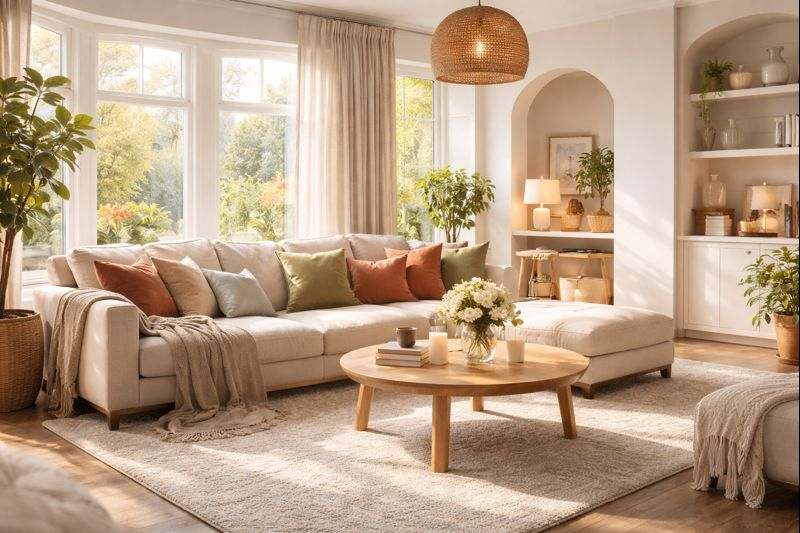
Interior design plays a key role in how people feel inside their homes. UK living spaces vary in size, style, and layout, but comfort remains a shared goal. Good interiors design supports daily life. It improves how rooms look and how they function. Clear planning, smart furniture choices, and simple colour schemes can improve comfort for families, renters, and homeowners. This article explains how interiors design enhances comfort in UK living spaces with clear and direct guidance.
Understanding Comfort in UK Living Spaces
Comfort in a home depends on several factors. These include lighting, temperature, furniture, and layout. UK living spaces often include terraced houses, flats, and semi-detached homes. These properties can have limited space, older layouts, and mixed natural light. Interiors design helps people use these spaces better. It supports movement, rest, and daily tasks. A well-designed room reduces stress and improves mood.
The Role of Space Planning
Space planning defines how people move inside a room. It also defines how furniture fits into the layout. Good space planning makes small UK living spaces feel larger. Designers place sofas, tables, and storage in a way that keeps pathways clear. They avoid blocking doors and windows. Open layouts support social interaction and make rooms feel welcoming. In smaller flats, multi-use furniture helps save space. Clear space planning improves comfort and usability.
Open-Plan Living Areas
Open-plan layouts are common in modern UK homes. They combine the kitchen, dining, and living areas. This layout increases light flow and improves communication. Interiors design uses rugs, lighting, and furniture to define zones. Each zone serves a clear purpose. This approach improves comfort without adding walls.
Furniture Selection and Comfort
Furniture has a direct impact on comfort in modern UK homes, where people need pieces that match both room size and daily lifestyle needs. Sofas with firm support improve posture, while chairs with armrests help people relax after long days. Beds with proper mattresses support sleep quality and overall wellbeing. Interior specialists at Molecule Designs focus on selecting furniture that fits the scale of each room to maintain visual balance and practical comfort. Oversized furniture can make a space feel crowded, while well-sized furniture creates a sense of openness and harmony.
Multi-Functional Furniture
Multi-functional furniture is useful in smaller UK homes. Sofa beds, storage ottomans, and extendable tables save space. These pieces support different activities without adding clutter. Interiors design integrates such furniture to increase comfort and efficiency.
Lighting Design for Comfort
Lighting affects mood and functionality. UK living spaces can lack natural light due to climate and building design. Interiors design uses layered lighting to improve comfort. This includes ambient, task, and accent lighting.
Natural Light
Natural light improves well-being. Designers use light curtains and reflective surfaces to increase daylight. Mirrors and light wall colours also help distribute light. These methods make rooms feel brighter and more comfortable.
Artificial Lighting
Artificial lighting supports tasks and relaxation. Warm light creates a cosy feel in living rooms and bedrooms. Bright task lighting supports kitchens and home offices. Interiors design places lights to reduce glare and shadows.
Colour Schemes and Psychological Comfort
Colours influence how people feel in a room. UK living spaces often use neutral tones to create calm interiors. Whites, creams, and greys make rooms feel larger and cleaner. Soft blues and greens support relaxation. Designers use accent colours to add interest without overwhelming the space. Balanced colour schemes improve comfort and visual harmony.
Wall Finishes and Textures
Wall finishes also affect comfort. Matte finishes reduce glare and feel soft. Textured wallpapers add depth and warmth. Interiors design selects finishes that match the room function and lighting conditions.
Materials and Textiles
Materials and textiles add comfort through touch and insulation. Carpets, rugs, curtains, and cushions improve warmth and sound control. UK living spaces benefit from soft textiles due to cooler climates. Natural materials like wood and cotton create a welcoming feel. Designers avoid harsh materials in relaxation areas.
Flooring Choices
Flooring affects comfort and maintenance. Carpets provide warmth and noise reduction in bedrooms and living rooms. Wood and laminate floors offer durability and easy cleaning in kitchens and hallways. Interiors design selects flooring based on room use and lifestyle needs.
Storage Solutions and Organisation
Clutter reduces comfort. UK living spaces often have limited storage. Interiors design includes built-in cupboards, shelves, and hidden storage. These solutions keep items organised and out of sight. Clear storage systems reduce stress and improve room flow.
Built-In Storage
Built-in storage uses wall space efficiently. Wardrobes, bookcases, and under-stair storage maximise space. Designers plan storage to match household needs. This approach improves comfort and usability.
Temperature and Acoustic Comfort
Temperature and sound control affect comfort in homes. UK climates require good insulation and heating design. Interiors design uses curtains, carpets, and wall panels to improve insulation. Soft furnishings reduce noise and echo. These elements create a quiet and warm environment.
Heating Integration
Heating systems should blend with interiors design. Radiator covers, underfloor heating, and smart thermostats improve comfort and appearance. Designers ensure heating elements do not disrupt room layout.
Personalisation and Emotional Comfort
Personal items make a home feel comfortable. Artwork, photos, and decorative objects reflect personal taste. Interiors design provides display areas for these items without clutter. Personalisation improves emotional connection to the space.
Biophilic Elements
Plants add comfort and improve air quality. Indoor plants bring nature inside and support well-being. Designers place plants in living areas, kitchens, and bedrooms to create a fresh feel.
Accessibility and Practical Design
Accessibility is important in UK living spaces, especially for families and older residents. Interiors design considers ease of movement, safety, and reach. Wide pathways, non-slip flooring, and ergonomic furniture improve daily comfort. Practical design supports long-term living and reduces injury risk.
Kitchen and Bathroom Layout
Kitchens and bathrooms need practical layouts. Worktops, storage, and appliances should be easy to reach. Bathrooms require safe surfaces and good lighting. Designers plan these spaces for function and comfort.
Technology Integration
Smart home technology can improve comfort. Smart lighting, heating controls, and security systems make daily life easier. Interiors design integrates technology without visible clutter. Hidden cables and built-in panels maintain clean interiors.
Home Office Design
Home offices are common in UK living spaces. Interiors design supports comfort with ergonomic chairs, desks, and proper lighting. Quiet zones and storage improve focus and productivity.
Sustainability and Comfort
Sustainable design supports comfort and health. Energy-efficient lighting, low-VOC paints, and natural materials improve indoor air quality. UK living spaces benefit from insulation and efficient windows. Designers choose materials that support comfort and reduce energy costs.
Energy Efficiency
Energy-efficient design reduces heating and lighting costs. Proper insulation, double glazing, and efficient appliances support a comfortable indoor environment. Interiors design aligns comfort with sustainability goals.
Small Space Design Strategies
Many UK living spaces are compact. Interiors design uses smart strategies to improve comfort in small rooms. Vertical storage, light colours, and mirrors increase perceived space. Foldable furniture and sliding doors save floor area. Designers plan layouts that avoid wasted space.
Visual Continuity
Visual continuity makes small spaces feel larger. Using similar colours and materials across rooms creates a cohesive look. Consistent flooring and wall colours reduce visual breaks. This approach improves comfort and flow.
The Impact of Professional Interiors Design
Professional interiors design brings structure and clarity to home projects. Designers assess space, lifestyle needs, and budget. They provide clear plans and specifications. This process reduces errors and stress. Homeowners benefit from efficient use of space and resources.
Collaboration with Homeowners
Designers collaborate with homeowners to understand needs and preferences. Clear communication ensures that the final design supports daily life. This collaboration improves satisfaction and comfort.
Future Trends in UK Living Spaces
Future trends focus on flexibility, sustainability, and technology. Modular furniture, smart systems, and eco-friendly materials will become more common. Interiors design will continue to prioritise comfort, function, and efficiency. UK living spaces will adapt to changing lifestyles and work patterns.
Flexible Living Solutions
Flexible solutions include movable walls, adaptable furniture, and multi-use rooms. These features support changing household needs. Designers plan spaces that can evolve without major renovations.
Conclusion
Interior design plays a central role in enhancing comfort in UK living spaces. It improves space planning, furniture selection, lighting, colour schemes, storage, and technology integration. Thoughtful interiors design supports physical comfort, emotional well-being, and daily function. By applying clear design principles, homeowners and renters can create comfortable and efficient living environments. This approach ensures that UK living spaces meet modern needs while maintaining style and practicality.
 Little Stories