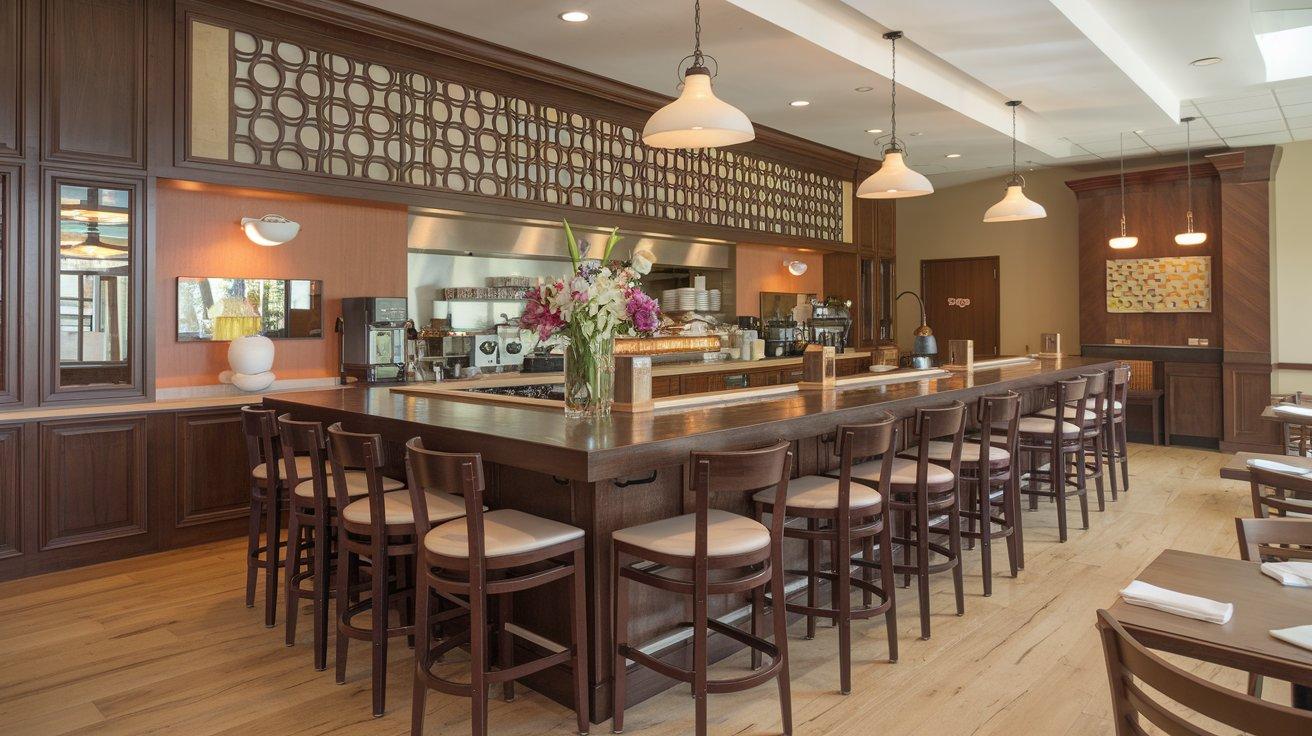
The restaurant business is highly competitive, and creating a space that stands out can be as important as the menu itself. While great food and excellent service are key, the design of a restaurant plays a crucial role in attracting customers, enhancing their experience, and ensuring operational efficiency. This is where architectural designers come into the picture.
Architectural designers are instrumental in shaping a restaurant’s success by blending aesthetics, functionality, and branding into the space. From layout planning to interior design, they ensure that every detail contributes to a cohesive and memorable dining experience. Let’s explore how architectural designers make this possible.
The Role of Architectural Designers in Restaurant Projects
1. Creating a Unique Brand Identity
A restaurant’s design is often the first thing customers notice, making it a powerful tool for establishing brand identity. Architectural designers work closely with restaurant owners to translate their brand vision into a physical space that reflects their core values and mission. By doing so, they create environments that not only attract customers but also communicate the restaurant’s essence effectively.
For instance, Restaurant Headquarters serves as a central hub where innovative design concepts are curated and executed for restaurants worldwide. Here, industry experts collaborate to ensure that every detail, from seating arrangements to lighting fixtures, aligns with the restaurant’s branding and customer expectations. A high-end fine dining restaurant, for example, may incorporate luxurious materials like marble, velvet, and intricate lighting to enhance its ambiance, while a casual café might choose a more inviting, rustic design with natural wood finishes and cozy lighting.
This alignment between design and branding is crucial for creating memorable dining experiences. Thoughtfully designed spaces don’t just make an aesthetic statement—they also influence customer behavior, encourage longer visits, and foster loyalty. Whether it’s a sleek modern eatery or a charming bistro, ensuring the design resonates with the target audience can significantly impact a restaurant’s success.
2. Optimizing Space Utilization
In the restaurant business, every square foot matters. Architectural designers specialize in maximizing the use of available space, ensuring the layout is both functional and visually appealing.
They carefully plan seating arrangements to balance capacity and comfort while leaving enough room for smooth traffic flow. Additionally, they design efficient back-of-house areas, such as kitchens and storage, to support seamless operations. This strategic space planning not only enhances the dining experience but also boosts staff productivity.
Enhancing Customer Experience Through Design
1. Setting the Mood with Ambiance
Ambiance is a critical factor in shaping how customers perceive a restaurant. Architectural designers use elements like lighting, color schemes, and materials to create an atmosphere that complements the cuisine and target audience.
For instance, soft lighting and neutral tones are ideal for an intimate dining experience, while bold colors and dynamic lighting may suit a vibrant, family-friendly eatery. The right ambiance not only attracts customers but also encourages them to return.
2. Seamless Integration of Indoor and Outdoor Spaces
Architectural designers also focus on blending indoor and outdoor spaces to enhance the dining experience. Features like patios, terraces, or floor-to-ceiling windows create a sense of openness and allow customers to enjoy natural light and views.
These elements are particularly valuable for restaurants in scenic locations, where outdoor dining can be a major draw. Designers ensure that transitions between spaces are seamless, creating a cohesive and inviting environment.
Improving Operational Efficiency
1. Designing for Workflow Efficiency
A restaurant’s success depends not only on customer satisfaction but also on smooth operations behind the scenes. Architectural designers work to streamline workflows by creating layouts that minimize unnecessary movement and maximize efficiency.
For example, they position kitchen stations in a way that allows chefs and staff to move effortlessly between prep, cooking, and plating areas. Similarly, they ensure that servers have easy access to dining areas and storage rooms, reducing delays during service.
2. Incorporating Technology
Modern restaurants increasingly rely on technology to enhance operations, from ordering systems to energy-efficient appliances. Architectural designers play a crucial role in incorporating these technologies seamlessly into the space.
Whether it’s installing charging stations for customers, integrating point-of-sale systems, or planning for energy-efficient HVAC systems, designers ensure the technology enhances both customer experience and operational performance.
Supporting Sustainable Practices
1. Eco-Friendly Materials and Designs
Sustainability is becoming a priority for many restaurant owners, and architectural designers help achieve this by incorporating eco-friendly materials and energy-efficient solutions.
For example, designers may use reclaimed wood for furniture or choose LED lighting to reduce energy consumption. These choices not only minimize the environmental impact but also appeal to eco-conscious customers.
2. Waste Reduction Strategies
Architectural designers also implement strategies to reduce waste, both during construction and in daily operations. Smart design choices, like compact layouts and multi-functional furniture, reduce material usage while maximizing functionality.
By supporting sustainable practices, architectural designers help restaurants align with modern consumer values, boosting their reputation and long-term success.
Case Study: The Role of Design in a Successful Restaurant
A small bistro in New York partnered with an architectural designer to transform its outdated space into a trendy dining destination. The designer reimagined the layout, adding a mix of communal and private seating to cater to different customer groups. They also incorporated custom lighting and art installations to create a warm and inviting ambiance.
Behind the scenes, the kitchen was redesigned for efficiency, with clearly defined stations and improved storage solutions. As a result, the restaurant saw a 30% increase in customer traffic and a noticeable boost in staff productivity. This example highlights the transformative power of thoughtful design in driving success.
Conclusion
Architectural designers play an indispensable role in shaping restaurant success by combining functionality, aesthetics, and brand identity into a cohesive space. Their expertise ensures that every aspect of the design—from layout planning to ambiance—contributes to a memorable dining experience and smooth operations.
Investing in professional design services is more than a cost it’s a strategic decision that sets the stage for long-term growth and customer satisfaction. If you’re planning to open a new restaurant or revamp an existing one, working with an architectural designer can make all the difference in achieving your goals.
 Little Stories