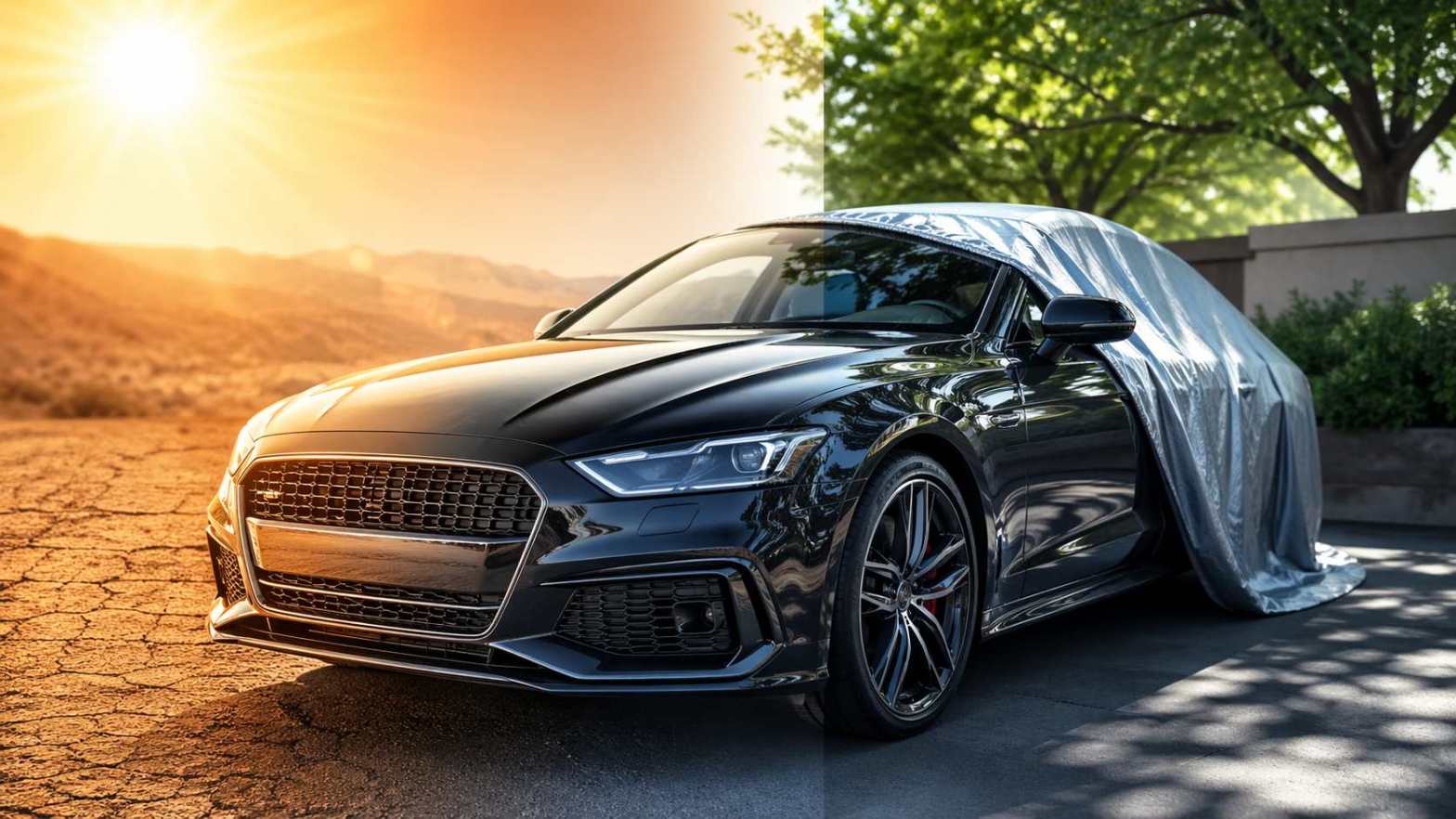
Sunlight can harm car paint over time. UV damage breaks down the surface layer and causes fading, dullness, and cracks. Many car owners see this problem in hot regions. Strong sunlight can reduce the life of your car paint if you do not take action.
This guide explains how UV damage affects car paint. It also shows simple steps to protect your vehicle. Each method uses clear actions that you can follow without confusion. You will learn how coating, cleaning, and smart parking choices help maintain your car paint.
What Is UV Damage and How It Affects Car Paint

UV damage comes from ultraviolet rays in sunlight, which continuously hit your car’s surface throughout the day. The paint consists of multiple layers, with the clear coat acting as the first line of defense. As these UV rays break down this top layer, it gradually loses its strength, becoming thin and fragile. This weakening exposes the color layer underneath, leading to fading, dull patches, and uneven tones. Over time, you may also notice cracks and peeling developing on the surface.
This process accelerates with constant exposure to heat, along with dust and environmental pollutants that further degrade the paint quality. Parking your vehicle outdoors for extended periods significantly increases this risk. That’s why many car owners look into protective solutions like window tinting and surface protection; for example, OC Tint Solutions offers options that help reduce UV penetration, which can indirectly support the longevity of your vehicle’s exterior and interior surfaces.
Signs of UV Damage on Car Paint
You can spot UV damage with simple checks. Look at your car in daylight. Focus on the roof, hood, and trunk. These areas face the sun most.
Common signs include fading color. The paint may look lighter than before. You may also see a chalky or rough texture. In severe cases, the clear coat peels off. Small cracks or patches may form.
Another sign is loss of shine. A healthy car paint reflects light well. Damaged paint looks flat and dull. If you see these signs, you need to act fast.
Why Car Paint Protection Is Important
Car paint does more than improve looks. It also protects the metal body. When UV damage removes the paint layer, moisture can reach the metal. This can lead to rust.
Good protection keeps the car value high. Buyers prefer vehicles with clean and shiny paint. Regular care also reduces repair costs. Repainting a car can cost a lot. Prevention is a better choice.
Wash Your Car Regularly


Cleaning your car removes dirt and harmful particles. Dust and bird droppings can damage the paint under sunlight. Wash your car at least once a week.
Use a mild car shampoo. Avoid strong detergents. These products can strip the protective layer. Use a soft sponge or microfiber cloth. This reduces scratches.
Rinse the car with clean water. Dry it with a soft towel. Do not let water dry on the surface. Water spots can harm the finish.
Apply Wax for Basic Protection
Wax adds a thin protective layer over car paint. This layer blocks some UV rays. It also improves shine and smoothness.
Apply wax every two to three months. Use a clean applicator pad. Spread the wax in small sections. Let it dry and then buff it with a soft cloth.
Wax does not last long. You need to repeat the process often. It gives basic protection but not strong defense against UV damage.
Use Paint Sealant for Longer Protection
Paint sealant is stronger than wax. It uses synthetic materials. This type of coating lasts longer and offers better UV protection.
Apply sealant every four to six months. The process is similar to waxing. Clean the car first. Then apply the sealant evenly.
Sealant forms a durable layer. It protects against sunlight, dirt, and moisture. It is a good choice for daily drivers.
Choose Ceramic Coating for Maximum Protection


Ceramic coating gives strong protection against UV damage. It forms a hard layer over car paint. This layer resists heat, sunlight, and chemicals.
The coating bonds with the paint surface. It does not wash away like wax. It can last for years with proper care.
Ceramic coating also adds a deep shine. It makes cleaning easier. Water and dirt slide off the surface. Many car owners choose this option for long-term protection.
Professional application gives the best results. You can also use DIY kits, but you must follow instructions carefully.
Park in Shaded Areas
Parking plays a key role in paint protection. Direct sunlight increases UV damage. Try to park your car in shaded areas.
Use a garage if you have one. If not, look for covered parking spaces. Trees and buildings can provide shade, but avoid spots with bird droppings or falling debris.
Even a few hours of shade can reduce damage. Make this a daily habit.
Use a Car Cover
A car cover protects your vehicle when parked outside. It blocks UV rays and reduces heat exposure.
Choose a cover made for outdoor use. It should fit your car well. A loose cover may scratch the paint in strong wind.
Use the cover when you park for long periods. This method works well if you do not have access to a garage.
Install Paint Protection Film
Paint protection film adds a clear layer over car paint. This film blocks UV rays and prevents scratches.
It is often applied to high-impact areas. These include the hood, bumper, and side mirrors. You can also cover the full car.
The film is strong and long-lasting. It helps maintain the original paint. Professional installation gives better results.
Avoid Harsh Chemicals
Some cleaning products can harm car paint. Strong chemicals can weaken the clear coat. This increases UV damage.
Always use products made for cars. Read labels before use. Avoid using bleach or strong cleaners.
Use soft tools for cleaning. Hard brushes can scratch the surface. Small scratches can trap dirt and speed up damage.
Dry Your Car Properly
Water can leave marks on car paint. These marks can damage the surface under sunlight.
After washing, dry the car with a microfiber towel. Do not use rough cloth. Pat the surface gently.
Proper drying keeps the paint smooth and clean. It also helps maintain the protective coating.
Regular Inspection and Maintenance
Check your car paint every few weeks. Look for early signs of UV damage. Small issues are easier to fix.
If you see dull spots, apply wax or sealant. If damage is severe, consult a professional. They can restore the paint with polishing or repainting.
Regular care keeps your car in good condition. It also extends the life of your coating.
Conclusion
UV damage can reduce the life and beauty of car paint. Sunlight breaks down the surface and causes fading, dullness, and cracks. Simple steps can prevent this problem.
Wash your car often. Use wax, sealant, or ceramic coating for protection. Park in shade and use a car cover when needed. Avoid harsh chemicals and inspect your car regularly.
These actions help protect your car paint from UV damage. They also keep your vehicle looking clean and new for a long time.
 Little Stories