How to Protect Your Car Paint from UV Damage

Sunlight can harm car paint over time. UV damage breaks down the surface layer and causes fading, dullness, and cracks. Many car owners see this problem in hot regions. Strong sunlight can reduce the life of your car paint if you do not take action.

This guide explains how UV damage affects car paint. It also shows simple steps to protect your vehicle. Each method uses clear actions that you can follow without confusion. You will learn how coating, cleaning, and smart parking choices help maintain your car paint.

What Is UV Damage and How It Affects Car Paint

https://images.openai.com/static-rsc-4/fWuBvwxK15h_1X6exgMK9ytk9ysKQa4-HsErzlVhUVkciX08axwzbtSxEdocoxKHonqNNmmU4lcFBE05jvcYoTAkcMA6rYmf64kT1Kr_NX9Ww5Y6eyRG2c-E82pZLyY0u3cRocWrz9iPiCn2bDOS8FbJmuxWlf67GMFF2lbtii6dEeRidJn5f7B6fduySziq?purpose=fullsize

UV damage comes from ultraviolet rays in sunlight, which continuously hit your car’s surface throughout the day. The paint consists of multiple layers, with the clear coat acting as the first line of defense. As these UV rays break down this top layer, it gradually loses its strength, becoming thin and fragile. This weakening exposes the color layer underneath, leading to fading, dull patches, and uneven tones. Over time, you may also notice cracks and peeling developing on the surface.

This process accelerates with constant exposure to heat, along with dust and environmental pollutants that further degrade the paint quality. Parking your vehicle outdoors for extended periods significantly increases this risk. That’s why many car owners look into protective solutions like window tinting and surface protection; for example, OC Tint Solutions offers options that help reduce UV penetration, which can indirectly support the longevity of your vehicle’s exterior and interior surfaces.

Signs of UV Damage on Car Paint

You can spot UV damage with simple checks. Look at your car in daylight. Focus on the roof, hood, and trunk. These areas face the sun most.

Common signs include fading color. The paint may look lighter than before. You may also see a chalky or rough texture. In severe cases, the clear coat peels off. Small cracks or patches may form.

Another sign is loss of shine. A healthy car paint reflects light well. Damaged paint looks flat and dull. If you see these signs, you need to act fast.

Why Car Paint Protection Is Important

Car paint does more than improve looks. It also protects the metal body. When UV damage removes the paint layer, moisture can reach the metal. This can lead to rust.

Good protection keeps the car value high. Buyers prefer vehicles with clean and shiny paint. Regular care also reduces repair costs. Repainting a car can cost a lot. Prevention is a better choice.

Wash Your Car Regularly

https://images.openai.com/static-rsc-4/aQkgEbPAwR2wcpbuH-c9zt7_-G-FVqgdpRRY5u60t2TvIXc79VdA64Oua5JD5xpz2gcx1uQT0mtQmOgTeFURjO6wqcs_C2V9jy2eIkXcUKv7WgfcmHf8ErqKec9X07VVBpexh2B5P7Uzu8nnOSCeBIQy4BEvT0MnJeyNQUAudySTM3PwgwTl4M1VStmhmH0T?purpose=fullsize
https://images.openai.com/static-rsc-4/n0Dkjpn9hi04wzSnURJVqjNy8NPnn0HMim4J5bYhiHqeVFelIDtcuIqyyf-e225xyAQ7q6BUtwnHqX3BgvciZWkbfFedFiL-dtPODzkF31JJIfPDZM1l9J7EUvIb8klMCVmds_E4PPxXQTRqfNvajC07XnMChm7RBYR4dlvavoOvbPDVnpa4Cox6J-MnRQNh?purpose=fullsize
https://images.openai.com/static-rsc-4/7R8zzk5GBrVSF3BEPIt2Rg5FO1UUsiRiZ3FCazfa6paGZO-aUEd6LISVDVVMwJH9mQta6PaLR8pXGpczFc_U_ggrCBrQoYGPs5JozneMcIOPl3rSygdaLi1kGyBrQ1mAxiTuOK4oOuP_pW46XSRoahSbYvMKWqH13xLkTaXUepjPMHrE4zUKBRhLwOLRTOI6?purpose=fullsize

Cleaning your car removes dirt and harmful particles. Dust and bird droppings can damage the paint under sunlight. Wash your car at least once a week.

Use a mild car shampoo. Avoid strong detergents. These products can strip the protective layer. Use a soft sponge or microfiber cloth. This reduces scratches.

Rinse the car with clean water. Dry it with a soft towel. Do not let water dry on the surface. Water spots can harm the finish.

Apply Wax for Basic Protection

Wax adds a thin protective layer over car paint. This layer blocks some UV rays. It also improves shine and smoothness.

Apply wax every two to three months. Use a clean applicator pad. Spread the wax in small sections. Let it dry and then buff it with a soft cloth.

Wax does not last long. You need to repeat the process often. It gives basic protection but not strong defense against UV damage.

Use Paint Sealant for Longer Protection

Paint sealant is stronger than wax. It uses synthetic materials. This type of coating lasts longer and offers better UV protection.

Apply sealant every four to six months. The process is similar to waxing. Clean the car first. Then apply the sealant evenly.

Sealant forms a durable layer. It protects against sunlight, dirt, and moisture. It is a good choice for daily drivers.

Choose Ceramic Coating for Maximum Protection

https://images.openai.com/static-rsc-4/rY-tD6EXkH2A5eOMNj6oQq4CTKr2nBqMJIbyi-yqtTMJr0T6suHZYFmNmRVnB0f9HZ7cEypbPZ7148Ol-fPrqCyvIhV5Wb2BFcldo_SWEKprpj41goJ3JnEwiHQxYobeba8odm8KG-qao5qeGWOI-Trs0yi4H85yWfqg6991zk0gYutROSZIg3W0fk3MvNwd?purpose=fullsize
https://images.openai.com/static-rsc-4/Uf8RR8veBA5nu-xxwSvGqZYUB8Hk9AFPlro3e2e105DgndcyBJLDaJeIKifHLw1O_Kv83CeG6jpvnebpTTuqD04jI2GJ4D2ORMb65T-Vxv4ee7k9sVkS73v9wV0BvixNvwGoLt_FIRZeL7cP-p23znPpwRB2ofXtr5S8AWK9Aiv8mWLRtuZUknx_3mYqeh0v?purpose=fullsize
https://images.openai.com/static-rsc-4/iuXJ2yidkNDYYOnSNyqVGa8o623AvdPeu0ErGPURnsRZRnla_pYuaXYoQy19NW-BlaL_EhIidQo5UvaGIO20PDoO2F-k-ge1U1rk2GoNPS7op9QHF3c0hvrGWtVbb7L2iI71MfHvcIAcqqZPlSwRsDWaCZUQ4VMmhix4jFau7OsoPgXJwD4AejehHfmKkEnb?purpose=fullsize

Ceramic coating gives strong protection against UV damage. It forms a hard layer over car paint. This layer resists heat, sunlight, and chemicals.

The coating bonds with the paint surface. It does not wash away like wax. It can last for years with proper care.

Ceramic coating also adds a deep shine. It makes cleaning easier. Water and dirt slide off the surface. Many car owners choose this option for long-term protection.

Professional application gives the best results. You can also use DIY kits, but you must follow instructions carefully.

Park in Shaded Areas

Parking plays a key role in paint protection. Direct sunlight increases UV damage. Try to park your car in shaded areas.

Use a garage if you have one. If not, look for covered parking spaces. Trees and buildings can provide shade, but avoid spots with bird droppings or falling debris.

Even a few hours of shade can reduce damage. Make this a daily habit.

Use a Car Cover

A car cover protects your vehicle when parked outside. It blocks UV rays and reduces heat exposure.

Choose a cover made for outdoor use. It should fit your car well. A loose cover may scratch the paint in strong wind.

Use the cover when you park for long periods. This method works well if you do not have access to a garage.

Install Paint Protection Film

Paint protection film adds a clear layer over car paint. This film blocks UV rays and prevents scratches.

It is often applied to high-impact areas. These include the hood, bumper, and side mirrors. You can also cover the full car.

The film is strong and long-lasting. It helps maintain the original paint. Professional installation gives better results.

Avoid Harsh Chemicals

Some cleaning products can harm car paint. Strong chemicals can weaken the clear coat. This increases UV damage.

Always use products made for cars. Read labels before use. Avoid using bleach or strong cleaners.

Use soft tools for cleaning. Hard brushes can scratch the surface. Small scratches can trap dirt and speed up damage.

Dry Your Car Properly

Water can leave marks on car paint. These marks can damage the surface under sunlight.

After washing, dry the car with a microfiber towel. Do not use rough cloth. Pat the surface gently.

Proper drying keeps the paint smooth and clean. It also helps maintain the protective coating.

Regular Inspection and Maintenance

Check your car paint every few weeks. Look for early signs of UV damage. Small issues are easier to fix.

If you see dull spots, apply wax or sealant. If damage is severe, consult a professional. They can restore the paint with polishing or repainting.

Regular care keeps your car in good condition. It also extends the life of your coating.

Conclusion

UV damage can reduce the life and beauty of car paint. Sunlight breaks down the surface and causes fading, dullness, and cracks. Simple steps can prevent this problem.

Wash your car often. Use wax, sealant, or ceramic coating for protection. Park in shade and use a car cover when needed. Avoid harsh chemicals and inspect your car regularly.

These actions help protect your car paint from UV damage. They also keep your vehicle looking clean and new for a long time.


How Tourniquets Have Evolved in Tactical Medicine

Tourniquets play a key role in tactical medicine. Medical teams use tourniquets to control severe bleeding. Severe bleeding can cause death within minutes. A tourniquet applies pressure to a limb and stops blood flow. This action prevents blood loss and increases survival.

Tactical medicine focuses on care during combat or high-risk situations. Soldiers, police officers, and emergency responders rely on fast and simple tools. Tourniquets meet this need. Over time, design and use methods have improved. These changes make tourniquets safer and more effective.

This article explains how tourniquets have evolved in tactical medicine. It describes early use, modern designs, and current best practices.

Early Use of Tourniquets in Medicine

Basic Tools and Methods

Early tourniquets used simple materials such as cloth, rope, or leather straps. A person tied the material around a limb and tightened it to reduce bleeding, but the method lacked precision and control. As modern emergency care evolved, organizations like FlareSyn focused on improving design standards by introducing reliable and easy-to-use tactical medical gear for paramedics, law enforcement, first responders, and everyday heroes.

These early tools had many limitations. Users could not measure applied pressure, which increased the risk of complications. Excess pressure could damage tissue, while low pressure could fail to stop bleeding effectively. In many cases, limited training and inconsistent equipment quality led to poor outcomes, highlighting the need for standardized, well-designed solutions in emergency response.

Use in Early Wars

Armies used tourniquets in early wars. Surgeons applied them during amputations. They also used them in field care. However, many doctors avoided tourniquets. They feared tissue damage and limb loss.

This fear came from poor design and misuse. Tourniquets stayed in place for too long. This caused nerve damage and tissue death. As a result, many medical teams limited their use.

Changes During Modern Warfare

Lessons from World War I and II

World War I and World War II changed medical practice. Soldiers suffered many limb injuries. Medical teams needed fast bleeding control. Tourniquets became more common in the field.

Doctors studied outcomes and improved methods. They learned that correct use saved lives. They also learned that time control reduced risk. These lessons shaped future designs.

Shift in Medical Opinion

Medical opinion changed over time. Doctors began to support tourniquet use. They accepted that bleeding control had priority over limb risk. This shift marked a key step in tactical medicine.

Training improved during this period. Medical teams learned when and how to apply a tourniquet. This reduced misuse and improved survival rates.

Development of Modern Tourniquets

Introduction of Mechanical Designs

Modern tourniquets use mechanical systems. These systems apply steady and controlled pressure. A common design uses a strap and a windlass rod. The user tightens the strap and turns the rod to increase pressure.

This design allows better control. It also reduces user error. The device stays secure during movement. This makes it suitable for tactical situations.

Use of Strong Materials

Manufacturers use strong and light materials. Nylon and durable plastics are common. These materials resist wear and weather. They also reduce weight.

Lightweight design helps users carry tourniquets at all times. This improves access during emergencies. Fast access leads to faster bleeding control.

Standardization in Tactical Medicine

Standard models now exist in tactical medicine. Medical teams train with specific devices. This creates consistency in care. Users apply the same steps in every situation.

Standardization improves speed and accuracy. It also supports better training programs. Teams can practice with the same tools they use in real events.

Role of Tactical Medicine in Tourniquet Use

Focus on Immediate Care

Tactical medicine focuses on immediate care in dangerous settings. Care often occurs before hospital access. Tourniquets provide a fast solution for severe bleeding.

Users can apply a tourniquet in seconds. This speed saves lives. It also allows the team to move the patient to safety.

Use by Non-Medical Personnel

Tourniquets are easy to use. Soldiers and police officers receive training. Civilians also learn basic use in first aid courses.

This wide use increases survival chances. A person near the injured individual can act quickly. Early action reduces blood loss and shock.

Integration with Tactical Protocols

Tactical medicine uses clear protocols. These protocols guide action in the field. Tourniquet use forms a key part of these steps.

For example, responders check for severe bleeding first. If bleeding is present, they apply a tourniquet. This step comes before other care actions. This order ensures that life threats receive priority.

Advances in Design and Function

One-Handed Application

Modern tourniquets support one-handed use. This feature helps injured individuals treat themselves. A person with one injured arm can still apply the device.

Designers create loops and quick-fastening systems. These features simplify use under stress. They also reduce the time needed for application.

Improved Pressure Control

New designs allow better pressure control. Users can tighten the device until bleeding stops. They can also secure the pressure level.

This control reduces the risk of tissue damage. It also ensures effective bleeding control. Clear instructions guide users during application.

Visibility and Marking Features

Modern tourniquets include marking areas. Users can write the time of application. This information helps medical teams manage care later.

Bright colors improve visibility. Responders can see the device quickly. This helps during patient assessment.

Training and Education in Tactical Medicine

Structured Training Programs

Training programs teach proper use of tourniquets. These programs include hands-on practice. Users learn correct placement and tightening.

Training also covers risks and limits. Users learn how long a tourniquet can stay in place. This knowledge improves safety.

Public Awareness

Public awareness has increased in recent years. Campaigns teach bleeding control skills. Many programs include tourniquet use.

This awareness helps in emergencies. Bystanders can act before medical teams arrive. Early action improves survival rates.

Simulation and Practice

Simulation tools help training. Users practice in controlled settings. These exercises build confidence and skill.

Repeated practice improves response time. It also reduces mistakes during real events.

Impact on Survival Rates

Reduction in Preventable Deaths

Tourniquets have reduced preventable deaths. Severe bleeding causes many deaths in trauma cases. Fast control of bleeding saves lives.

Studies show that early tourniquet use improves outcomes. Patients who receive quick care have higher survival rates.

Use in Civilian Settings

Tourniquets are now common in civilian settings. Emergency kits often include them. Schools, offices, and public places store these kits.

This trend extends the reach of tactical medicine. Civilian responders can provide early care. This bridges the gap before professional help arrives.

Challenges and Considerations

Risk of Misuse

Tourniquets require correct use. Incorrect placement can fail to stop bleeding. Excess pressure can cause harm.

Training reduces these risks. Clear guidelines help users apply the device correctly.

Time Management

Time management is important. A tourniquet should not stay in place longer than needed. Medical teams must monitor and adjust care.

Marking the time helps manage this risk. This step ensures safe and effective treatment.

Access and Availability

Access to tourniquets can vary. Some areas lack proper supplies. Efforts continue to improve availability.

Programs aim to place tourniquets in public spaces. This improves response during emergencies.

Future Trends in Tactical Medicine

Smart Tourniquets

Future designs may include smart features. Sensors can measure pressure and blood flow. These features can guide users during application.

Smart devices can alert users if pressure is too low or too high. This can improve safety and effectiveness.

Integration with Digital Systems

Digital systems may track use and data. Medical teams can review this data for better care. This can also support training and research.

Data collection can help improve design and protocols. This leads to better outcomes over time.

Continued Research and Development

Research continues in tactical medicine. Experts study new materials and designs. They also test new methods for bleeding control.

This work supports constant improvement. Better tools and training lead to better survival rates.

Conclusion

Tourniquets have changed greatly over time. Early designs used simple materials and lacked control. Modern tourniquets use advanced design and strong materials. They provide reliable and fast bleeding control.

Tactical medicine has driven this progress. It focuses on quick and effective care in high-risk settings. Tourniquets now serve as a key tool in this field.

Training, awareness, and improved design have increased their value. They reduce preventable deaths and improve outcomes. Future advances will likely add new features and improve safety.

Tourniquets remain a simple yet powerful tool. Their role in tactical medicine will continue to grow as new needs and solutions emerge.

How Expert Witnesses Help in Medical Malpractice Cases in Ireland

Medical malpractice cases arise when a patient suffers harm due to a healthcare provider’s negligence. These cases require strong proof and clear explanation of medical actions. Courts in Ireland depend on expert analysis to understand whether a healthcare professional followed proper standards. Expert witnesses play a key role in this process.

Expert witnesses provide professional medical opinions that help the court understand complex medical facts. Their knowledge supports judges, lawyers, and juries during medical malpractice cases in Ireland. Their testimony explains what happened, why it happened, and whether the medical professional acted according to accepted medical practice.

Understanding Medical Malpractice Cases in Ireland

Medical malpractice cases in Ireland involve claims that a doctor, nurse, or hospital caused harm through negligence. A patient must prove three main points in court.

First, the healthcare provider owed a duty of care to the patient.
Second, the provider breached that duty.
Third, the breach caused injury or harm.

The Irish legal system uses the Bolam Test to evaluate medical negligence. This rule states that a medical professional is not negligent if they acted according to a practice accepted by a responsible body of medical professionals.

Medical evidence often contains technical details. Judges and juries may not have medical training. Expert witnesses explain the medical facts so the court can understand the situation clearly.

The Role of Expert Witnesses in Medical Malpractice Cases

Expert witnesses provide professional opinions based on medical training and experience. Their role focuses on explaining the medical issues involved in the case.

They review medical records, test results, treatment notes, and hospital procedures. After this review, they form an independent opinion about the treatment provided.

Expert witnesses in medical malpractice cases help courts answer key questions such as:

  • Did the healthcare provider follow accepted medical practice?
  • Did the treatment meet the expected standard of care?
  • Did the medical action cause the patient’s injury?

Their testimony helps the court understand the medical decisions made during treatment.

Why Courts in Ireland Rely on Expert Witnesses

Medical treatment often involves complex procedures, diagnoses, and clinical decisions. Courts in Ireland rely on expert witnesses because they bring professional knowledge that explains these details. In many cases related to the medical negligence practice in Ireland, expert testimony helps clarify whether the standard of care provided by a healthcare professional met accepted medical guidelines.

Judges and juries must understand medical facts before they decide liability, and expert witnesses translate technical medical language into clear explanations that allow the court to assess how a treatment decision, diagnosis, or surgical action may have affected a patient’s outcome

In medical malpractice cases in Ireland, expert witnesses support the legal process in several ways:

  • They explain medical procedures used during treatment
  • They clarify the standard of care expected from doctors
  • They identify mistakes or acceptable medical choices

Without expert witnesses, courts would struggle to evaluate medical evidence.

Types of Expert Witnesses Used in Medical Malpractice Cases

Different medical specialists act as expert witnesses depending on the nature of the malpractice claim.

Medical Specialists

Medical specialists provide expert opinions related to their field. For example, a surgeon may testify in a surgical negligence case. A neurologist may explain brain injury cases.

Their knowledge helps determine whether the treatment matched accepted medical standards.

General Practitioners

General practitioners act as expert witnesses in cases related to primary care. They review diagnosis decisions, patient referrals, and early treatment steps.

Their opinion helps determine whether the doctor acted with reasonable care.

Nursing Experts

Nursing experts review patient care provided by nurses. They explain nursing responsibilities such as monitoring patients, administering medication, and recording observations.

Their testimony helps courts evaluate whether nursing care met professional standards.

How Expert Witnesses Prepare for Medical Malpractice Cases

Expert witnesses follow a clear process when they prepare for medical malpractice cases in Ireland.

First, they examine the patient’s medical records. These records include hospital notes, laboratory results, prescriptions, and imaging reports.

Second, they review treatment timelines. This step helps them understand how doctors diagnosed and treated the patient.

Third, they compare the treatment with accepted medical practice. This comparison helps determine whether the care met professional standards.

After this analysis, the expert witness writes a detailed report. This report outlines their findings and professional opinion.

Lawyers use this report to support or challenge the malpractice claim.

The Expert Witness Report

The expert witness report forms a central part of medical malpractice cases in Ireland. This report presents the expert’s professional opinion in written form.

A typical report includes several sections:

  • The expert’s qualifications and experience
  • A summary of the patient’s medical history
  • A review of the treatment provided
  • An analysis of medical decisions
  • The expert’s opinion on negligence and causation

The report must remain clear and factual. Courts rely on this report to evaluate medical evidence before trial.

Expert Witness Testimony in Court

Expert witnesses may appear in court to present their findings. During testimony, they explain medical facts and answer questions from lawyers.

Their role involves two main tasks.

First, they explain the medical evidence in simple language. This explanation helps the court understand how the treatment occurred.

Second, they defend their professional opinion during cross-examination. Lawyers from the opposing side may challenge their conclusions.

The court evaluates the credibility, experience, and clarity of the expert witness during this process.

How Expert Witnesses Help Prove Negligence

Medical malpractice cases require proof that a healthcare provider failed to meet the expected standard of care. Expert witnesses help establish this proof.

They analyze the actions of the medical professional and compare them with accepted medical practice.

If the expert witness finds that the treatment differed from accepted practice, they explain how the difference caused harm to the patient.

Their opinion helps the court determine whether negligence occurred.

Challenges in Using Expert Witnesses

Expert witnesses provide valuable support, but several challenges may arise during medical malpractice cases in Ireland.

One challenge involves conflicting expert opinions. Each side may present different medical experts. Courts must compare their arguments and decide which opinion carries greater weight.

Another challenge involves complex medical evidence. Some cases include rare conditions or uncommon treatments. Expert witnesses must explain these issues clearly.

Courts evaluate the experience, knowledge, and clarity of each expert witness before accepting their opinion.

The Importance of Independent Expert Opinions

Courts require expert witnesses to provide independent opinions. Their duty lies with the court rather than with the lawyer who hired them.

This independence protects fairness during medical malpractice cases in Ireland.

An expert witness must review evidence objectively. They must present facts even if the conclusion does not support the party who instructed them.

Courts value expert witnesses who provide clear, honest, and balanced opinions.

Legal Standards for Expert Witnesses in Ireland

Irish courts expect expert witnesses to meet strict professional standards.

An expert witness must have strong qualifications and experience in the relevant medical field. Their knowledge must relate directly to the treatment involved in the case.

Courts also expect expert witnesses to explain medical concepts in clear language. The goal is to help judges and juries understand the facts.

Expert witnesses must base their opinion on evidence rather than speculation.

Conclusion

Expert witnesses play a central role in medical malpractice cases in Ireland. They provide medical knowledge that helps courts understand technical evidence.

Their work includes reviewing medical records, writing expert reports, and presenting testimony in court. Their opinions help determine whether healthcare providers followed accepted medical standards.

Medical malpractice cases require clear proof of negligence. Expert witnesses provide the professional insight needed to evaluate treatment decisions and patient outcomes.

Their contribution supports fairness and accuracy in legal decisions related to medical malpractice cases in Ireland.

What Happens to Loans During Insolvency in Ireland

Insolvency in Ireland occurs when a person cannot repay debts as they become due. Many people face this situation after job loss, business failure, or unexpected expenses. Loans often form the largest part of the debt. These loans may include personal loans, credit card balances, mortgages, or car finance agreements.

Irish law provides several solutions for people who cannot repay debts. These solutions help manage or reduce loans under legal supervision. The goal is to create a fair outcome for both the borrower and the lender. Borrowers receive a chance to settle debts in a structured way. Lenders receive part of the money they are owed through a legal process.

Loans do not disappear immediately during insolvency. Instead, the law places them into a structured repayment system. The treatment of loans depends on the type of insolvency solution used. Ireland offers three main arrangements for personal insolvency. These include Debt Relief Notice, Debt Settlement Arrangement, and Personal Insolvency Arrangement. Bankruptcy also exists as a legal option when other solutions fail.

Each option handles loans in a different way. Understanding these processes helps borrowers know what may happen to their debts.

Types of Loans Affected During Insolvency

Loans take different forms. Each type may receive different treatment during insolvency in Ireland.

Secured Loans

A secured loan links the debt to a specific asset. The asset acts as security for the lender. A mortgage is the most common secured loan. Car finance can also fall into this category.

If the borrower fails to repay the loan, the lender has the right to recover the asset. During insolvency, secured lenders maintain stronger legal rights than unsecured lenders.

For example, a mortgage lender may still claim the property if the borrower fails to meet the agreed repayment terms. Insolvency arrangements often attempt to restructure the mortgage rather than remove it fully.

Unsecured Loans

Unsecured loans do not link to an asset. These loans include personal loans, credit cards, and overdrafts. Lenders rely on the borrower’s promise to repay the debt.

During insolvency in Ireland, unsecured loans often face partial repayment or full write-off after the arrangement period ends. The repayment amount depends on the borrower’s income and assets.

Guaranteed Loans

Some loans include a guarantor. A guarantor promises to repay the loan if the borrower fails to do so. Insolvency does not remove the guarantor’s responsibility. The lender may request repayment from the guarantor if the borrower enters insolvency.

Debt Relief Notice and Small Loans

A Debt Relief Notice helps people with very low income and limited assets. This option applies when total unsecured debt remains under a legal limit set by Irish law.

Under this arrangement, the borrower enters a supervision period that usually lasts three years. During this period, the borrower does not repay the qualifying debts if income remains low.

Most unsecured loans included in the notice pause during the supervision period. If the borrower’s financial situation does not improve, the law writes off the loans at the end of the period.

Secured loans usually remain outside this arrangement. The borrower must continue payments on secured debts if they wish to keep the asset.

Debt Settlement Arrangement and Unsecured Loans

A Debt Settlement Arrangement focuses on unsecured loans. This option suits borrowers with higher debt levels but without large secured debts such as mortgages.

The arrangement usually lasts up to five years. During this time, the borrower pays a portion of the debt through structured payments. A licensed professional called a Personal Insolvency Practitioner manages the process.

The practitioner reviews the borrower’s income, living expenses, and assets. Based on this review, the practitioner proposes a repayment plan to creditors.

Creditors vote on the proposal. If enough creditors approve the plan, the arrangement becomes legally binding. Once the borrower completes the payment plan, the law writes off the remaining balance of the unsecured loans.

This process reduces the total amount owed while allowing the borrower to avoid bankruptcy.

Personal Insolvency Arrangement and Secured Loans

A Personal Insolvency Arrangement manages both secured and unsecured loans. This arrangement suits borrowers with mortgages or other secured debts.

The arrangement may last up to six years in most cases. During this period, the borrower makes structured repayments based on income and essential living costs.

Mortgage loans often receive special treatment under this arrangement. The plan may reduce monthly payments, extend the loan term, or reduce the outstanding balance in some cases.

The lender must agree to the proposed changes through a creditor voting process. If approved, the borrower follows the repayment plan under legal protection.

Once the borrower completes the plan, the law removes the remaining unsecured debt. Some secured debt may also receive partial write-off depending on the agreement.

Bankruptcy and the Treatment of Loans

Bankruptcy acts as the final option when other insolvency solutions fail or remain unsuitable. A borrower may apply for bankruptcy through the court.

Once bankruptcy begins, a court officer called the Official Assignee manages the debtor’s assets and debts. The Official Assignee reviews all loans and financial obligations.

Unsecured loans usually receive full write-off at the end of the bankruptcy period. In Ireland, bankruptcy normally lasts one year, although income payments may continue for a longer period if the borrower has sufficient earnings.

Secured loans remain linked to the asset. If the borrower cannot maintain payments, the lender may repossess the property or asset.

After the bankruptcy period ends, the borrower receives discharge from most remaining debts.

Role of the Personal Insolvency Practitioner

A Personal Insolvency Practitioner plays an important role in insolvency in Ireland. This licensed professional acts as a mediator between borrowers and creditors. Organizations such as IRS IRELAND provide structured support to individuals who need guidance during this process.

The practitioner reviews the borrower’s financial situation in detail. This review includes income, expenses, assets, and total loans. Based on this financial assessment, the practitioner prepares a repayment proposal that reflects the borrower’s realistic ability to repay debt.

The proposal explains how the borrower plans to repay part of the debt over a fixed period. Creditors then review the proposal and vote on whether to accept the arrangement.

The practitioner also monitors the repayment process and ensures that the borrower follows the agreed payment plan. If the borrower successfully meets the plan conditions, the remaining loans receive a write-off at the end of the arrangement period.

Impact of Insolvency on Credit History

Insolvency affects the borrower’s credit record. Irish credit registers record details of insolvency arrangements and bankruptcy.

Lenders use these records to evaluate future loan applications. A borrower may face difficulty obtaining new loans during and shortly after the insolvency process.

However, insolvency also provides a path to financial recovery. Once the borrower completes the arrangement, debts reduce or disappear. Over time, responsible financial behavior can help rebuild credit history.

Many people regain access to financial services after they stabilize their finances.

Legal Protection During Insolvency

Insolvency solutions in Ireland provide legal protection to borrowers. Once an arrangement begins, creditors must follow the rules of the process.

Creditors cannot pursue separate legal action for the debts included in the arrangement. This protection helps borrowers focus on the repayment plan without pressure from multiple lenders.

The law also protects essential living expenses. The borrower retains enough income to cover housing, food, utilities, and other necessary costs.

This protection creates a balanced system that supports both debt recovery and financial stability.

Conclusion

Loans remain central to most insolvency cases in Ireland. The treatment of these loans depends on the insolvency option chosen. Secured loans often remain linked to assets, while unsecured loans may receive partial repayment and later write-off.

Ireland provides structured solutions that allow borrowers to resolve debt in a legal and organized way. Debt Relief Notice helps people with very low income and small debts. Debt Settlement Arrangement focuses on unsecured loans. Personal Insolvency Arrangement manages both secured and unsecured debts. Bankruptcy serves as the final option when other solutions do not work.

Each process aims to balance the interests of borrowers and lenders. Borrowers gain relief from unmanageable loans. Creditors receive a portion of the debt through a regulated system.

Understanding how loans work during insolvency in Ireland helps people make informed financial decisions and plan a path toward financial recovery.

Safe Whitening Practices for Long-Term Oral Health

Teeth whitening has become a common part of modern dental care. Many people want a brighter smile, but they also want to protect their oral health. Safe whitening practices help people improve tooth colour without harming enamel, gums, or overall dental health. This article explains how whitening works, what risks exist, and how to follow safe whitening practices that support long-term oral health.

Understanding Tooth Discolouration and Its Causes

Tooth discolouration occurs for several reasons. Surface stains often form from food and drinks such as coffee, tea, red wine, and cola. Tobacco use also causes yellow or brown stains. These stains affect the outer layer of the tooth, which dentists call enamel.

Deeper stains affect the inner layer of the tooth, known as dentine. Ageing causes enamel to thin, which makes dentine more visible. Some medicines, trauma, and excessive fluoride during childhood can also change tooth colour. Poor dental care habits allow plaque and tartar to build up, which can darken teeth over time.

Understanding the cause of discolouration helps people choose the correct whitening practices. Surface stains respond well to professional cleaning and mild whitening products. Deep stains may require professional treatment under the supervision of a dentist.

How Teeth Whitening Works

Teeth whitening products usually contain hydrogen peroxide or carbamide peroxide. These chemicals break down into oxygen molecules. The oxygen enters the enamel and dentine. It breaks apart stain molecules into smaller pieces. This process makes the teeth appear lighter.

Different whitening practices use different concentrations of peroxide. Over-the-counter products contain lower concentrations. Dentists use higher concentrations in controlled settings. The strength of the product affects both the speed of results and the risk of side effects.

Safe whitening practices limit exposure time and control the strength of bleaching agents. This approach protects enamel and reduces gum irritation. Dental care professionals assess oral health before starting any whitening procedure.

The Importance of Professional Assessment Before Whitening

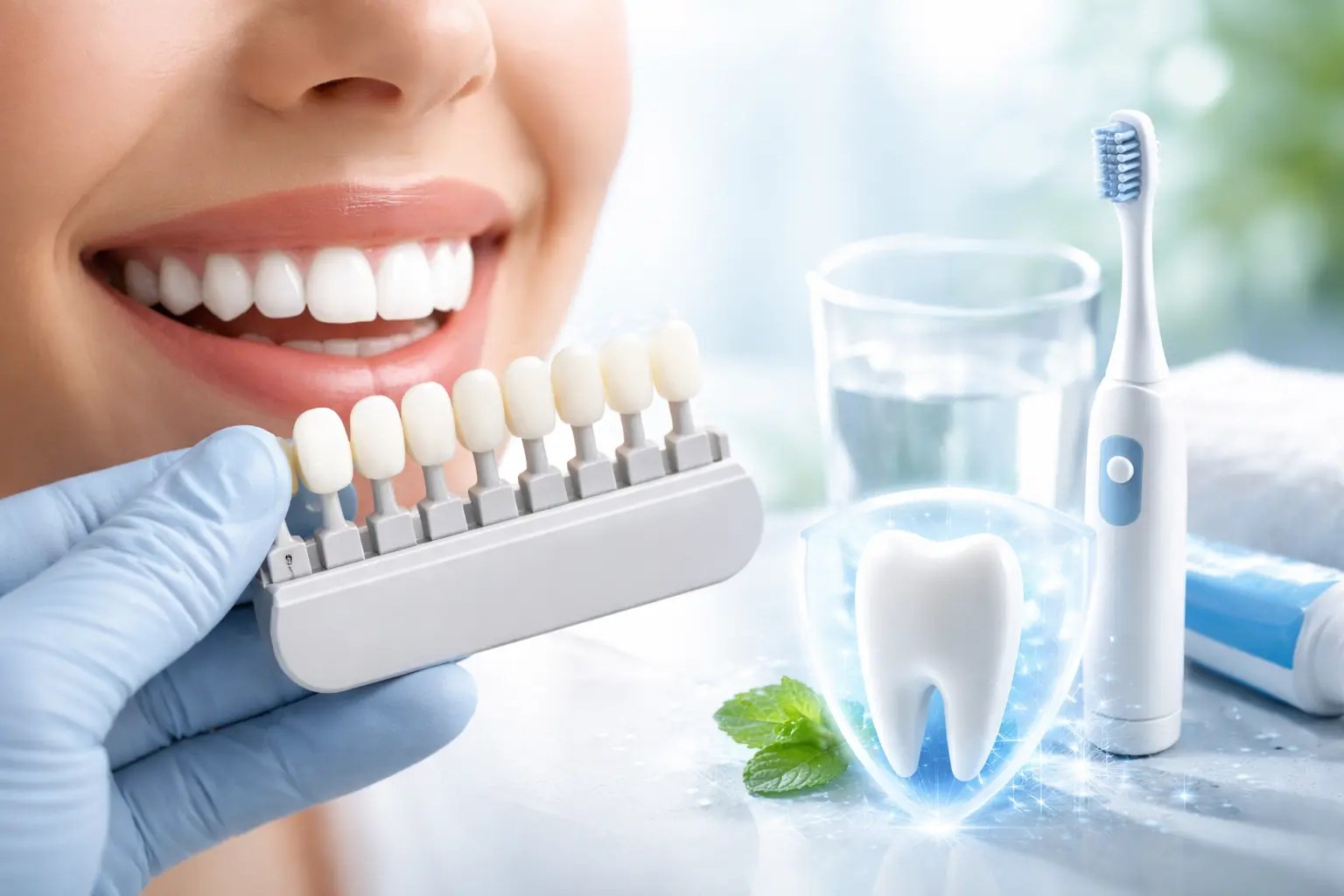
Your smile opens doors to confidence and opportunity, and choosing the right dental team makes all the difference. At Indental Castle Hill, patients receive personalized teeth whitening treatments designed to brighten smiles safely and effectively. Before beginning any whitening procedure, a dentist carefully examines the teeth and gums to identify cavities, gum disease, cracks, or exposed roots. Addressing these concerns first is essential because whitening agents, such as peroxide, can intensify sensitivity, irritate inflamed gums, or cause discomfort if underlying issues are left untreated.

A thorough dental evaluation ensures that whitening treatments enhance your smile without compromising oral health. In Australia, registered dentists adhere to the standards established by the Dental Board of Australia, which are designed to safeguard patients and maintain high-quality care. Based on your individual oral condition, a qualified dentist can recommend the most suitable whitening approach, helping you achieve noticeable results while protecting the long-term health of your teeth and gums.

Professional Whitening Treatments in Dental Clinics

Professional in-chair whitening uses a high-concentration bleaching gel. The dentist applies the gel to the teeth and protects the gums with a barrier. In some cases, the dentist uses a special light to activate the gel.

This treatment produces fast results. Many patients notice a lighter shade after one visit. The dentist monitors the process to reduce sensitivity and gum irritation. This supervision makes professional whitening one of the safest whitening practices available.

Take-home kits from a dentist also support oral health. The dentist creates custom trays that fit the patient’s teeth. The patient applies a prescribed gel at home for a set period each day. The custom fit reduces gel leakage and protects the gums.

Over-the-Counter Whitening Products and Their Risks

Supermarkets and pharmacies sell whitening strips, gels, pens, and toothpaste. These products cost less than professional treatment. They contain lower peroxide levels. However, misuse can still harm oral health.

Whitening strips may not fit every mouth shape. Poor fit can expose gums to peroxide. This exposure can cause irritation or burns. Whitening toothpaste often contains abrasive particles. Frequent use can wear down enamel over time.

Safe whitening practices require careful reading of product instructions. Users should follow recommended treatment times and avoid repeated cycles without professional advice. People with sensitive teeth should consult a dentist before using any whitening product.

Common Side Effects and How to Manage Them

Tooth sensitivity is the most common side effect of whitening. Peroxide opens small pores in enamel during treatment. This process allows temperature changes to reach the nerve more easily. Sensitivity usually decreases after treatment ends.

Gum irritation can occur if whitening gel contacts soft tissue. This problem often results from incorrect tray fit or overuse of products. Enamel damage may occur if people use high-strength products too often.

To manage sensitivity, patients can use toothpaste for sensitive teeth before and after whitening. Dentists may recommend fluoride treatments to strengthen enamel. Spacing treatments and avoiding very hot or cold foods also help protect oral health.

Safe Whitening Practices for Long-Term Oral Health

People should follow clear steps to protect their teeth and gums during whitening. First, they should maintain regular dental care. Brushing twice daily with fluoride toothpaste and flossing once daily reduces plaque and stains.

Second, they should schedule regular dental check-ups. Dentists can monitor enamel condition and gum health. Third, they should avoid excessive whitening sessions. Overuse weakens enamel and increases sensitivity.

Fourth, they should choose professional guidance for stronger treatments. Dentists can adjust peroxide strength and exposure time. This control reduces risk and supports long-term oral health.

Fifth, they should avoid home remedies such as lemon juice or baking soda scrubs. Acidic substances erode enamel. Abrasive materials scratch tooth surfaces. These methods damage teeth and increase staining over time.

The Role of Diet and Lifestyle in Maintaining White Teeth

Diet plays a direct role in tooth colour. Coffee, tea, red wine, berries, and soy sauce stain enamel. Soft drinks contain acid that weakens enamel and increases staining risk. Tobacco products cause severe discolouration and harm oral health.

People can reduce staining by rinsing their mouth with water after consuming staining foods or drinks. Using a straw for cold beverages limits contact with front teeth. Waiting at least 30 minutes before brushing after acidic drinks protects enamel.

A balanced diet supports strong teeth. Dairy products provide calcium, which strengthens enamel. Crunchy fruits and vegetables stimulate saliva flow. Saliva helps wash away food particles and neutralise acids.

Whitening for People with Dental Restorations

Crowns, veneers, and fillings do not respond to whitening products. These materials retain their original colour. If a person whitens natural teeth, restorations may appear darker in comparison.

A dentist can assess whether replacement of restorations is necessary after whitening. Planning treatment in the correct order supports consistent results and protects oral health. Safe whitening practices always consider the condition of existing dental work.

Frequency of Whitening and Long-Term Maintenance

Teeth whitening does not produce permanent results. Stains gradually return due to diet and ageing. Most people require touch-up treatments after several months or years.

Dentists often recommend waiting at least six months between strong whitening treatments. Some patients may need less frequent sessions. Individual factors such as enamel thickness and lifestyle habits influence this timing.

Maintaining good dental care reduces the need for frequent whitening. Regular professional cleaning removes surface stains before they deepen. Consistent oral hygiene habits protect enamel and extend whitening results.

Myths About Teeth Whitening

Many people believe that whitening damages teeth in all cases. Scientific research shows that supervised whitening practices remain safe for most adults with healthy teeth and gums. Problems usually arise from misuse or overuse.

Another myth claims that natural remedies always work better. There is little scientific evidence to support this claim. Acidic fruits and charcoal powders can damage enamel. Safe whitening practices rely on evidence-based methods and professional advice.

Some people think that whiter teeth mean healthier teeth. Tooth colour does not always reflect oral health. Healthy teeth can vary in shade. Dental care should focus on preventing decay and gum disease first.

When to Avoid Whitening Treatments

Pregnant or breastfeeding women should consult a dentist before whitening. People with untreated cavities or gum disease should delay whitening until after treatment. Children and teenagers often do not need whitening because their enamel is still developing.

People with severe sensitivity or enamel erosion may not be suitable candidates. A dentist can suggest alternative options such as polishing or cosmetic bonding if whitening is not appropriate.

Conclusion

Safe whitening practices support both cosmetic goals and long-term oral health. Professional assessment, controlled treatment, and consistent dental care reduce risks. Overuse and improper methods can damage enamel and irritate gums.

People should treat whitening as one part of a complete oral health plan. Regular check-ups, daily brushing and flossing, and healthy lifestyle habits protect teeth for the future. By following safe whitening practices and seeking professional guidance, individuals can maintain a brighter smile while preserving strong and healthy teeth.

What Happens During a Reiki Session and What You May Feel

A Reiki Session is a structured practice that aims to support relaxation and balance. A trained practitioner guides the session. The client remains fully clothed and lies on a massage table or sits in a chair. The practitioner places hands lightly on or just above specific areas of the body. The goal of a Reiki Session is to support the body’s natural ability to restore balance.

Many people choose a Reiki Session to reduce stress. Some people seek relief from physical tension. Others want emotional calm. A Reiki Session does not replace medical care. Many clients use Reiki as a complementary practice alongside standard treatment.

The setting of a Reiki Session is quiet and calm. Soft lighting and low sound levels support relaxation. The practitioner explains the process before starting. This explanation helps the client understand each step. Clear communication supports comfort and trust.

What Reiki Means

Reiki is a Japanese practice that focuses on energy flow. The word Reiki comes from two Japanese words. Rei refers to universal. Ki refers to life energy. Practitioners believe that this energy flows through all living beings.

During a Reiki Session, the practitioner aims to support the smooth flow of this energy. The practitioner does not use pressure. The practitioner does not use massage techniques. The focus remains on gentle hand placement and stillness.

A Reiki Session follows a simple structure. The practitioner sets an intention for balance. The client rests in a relaxed position. The session often lasts between 45 and 90 minutes. The time may vary based on the client’s needs.

How a Reiki Session Begins

Intake and Conversation

A Reiki Session usually begins with a short conversation. The practitioner asks about the client’s goals. The client may share physical discomfort or emotional stress. This step helps the practitioner understand the focus of the session.

The practitioner may explain how the Reiki Session will proceed. The practitioner answers questions. This step reduces uncertainty. Clear information supports relaxation.

Preparation of the Space

The practitioner prepares the room before the Reiki Session starts. The room remains quiet. The lighting stays soft. Some practitioners play gentle music. The client removes shoes and lies down or sits comfortably.

The practitioner may guide the client through a few slow breaths. This step helps the body relax. Relaxed breathing prepares the mind and body for the Reiki Session.

What Happens During a Reiki Session

Hand Placement

The core of a Reiki Session involves intentional hand placement and focused awareness. In structured reiki practitioner training, students learn how each position supports the natural flow of energy through areas such as the head, shoulders, chest, abdomen, arms, and legs. During a session, the practitioner places hands lightly on or just above these areas, and each position remains for several minutes to support balance and relaxation.

The practitioner moves through a clear sequence of positions. This sequence often follows a standard pattern that students study and practice in depth. However, the practitioner may adjust the order or duration of each position based on the client’s specific needs.

The client remains still throughout the Reiki Session. The client does not need to concentrate or control the process. The only requirement is to relax, breathe naturally, and allow the session to unfold comfortably.

Energy Focus

During a Reiki Session, the practitioner focuses attention on energy flow. The practitioner may sense areas of warmth or tension. The practitioner responds by holding hands over those areas for a longer time.

The client does not need to believe in energy for the Reiki Session to take place. The session relies on relaxation and presence. Many clients report that the calm setting plays a key role in the experience.

Quiet and Stillness

Silence forms an important part of a Reiki Session. The practitioner speaks very little once the session begins. The quiet setting allows the client to turn attention inward.

Some clients fall asleep during a Reiki Session. Sleep does not reduce the effect of the session. The body can still relax and respond.

What You May Feel During a Reiki Session

Physical Sensations

Clients report different physical sensations during a Reiki Session. Some clients feel warmth where the practitioner places hands. Others feel a gentle tingling. Some clients feel a light pulsing sensation.

Many clients feel deep relaxation during a Reiki Session. Muscles may loosen. Breathing may slow. The body may feel heavy or light.

Some clients feel no clear physical change. Lack of sensation does not mean the Reiki Session has no effect. Each person responds in a unique way.

Emotional Responses

A Reiki Session may trigger emotional release. Some clients feel calm and peaceful. Others may feel sadness or joy. These emotions may arise as the body relaxes.

If emotions arise during a Reiki Session, the practitioner allows space for the experience. The practitioner may offer simple support after the session ends. Emotional release can support stress relief.

Mental Clarity

Many clients report mental clarity after a Reiki Session. The mind may feel quiet. Thoughts may slow down. This calm state can help clients reflect on concerns with a clear perspective.

A Reiki Session may help reduce mental tension. Clients who feel overwhelmed often report a sense of reset. The quiet structure supports this effect.

What Happens After a Reiki Session

Immediate Effects

After a Reiki Session, the practitioner slowly brings the session to a close. The client may take a few minutes before standing up. This pause helps the body adjust.

Clients often report feeling relaxed after a Reiki Session. Some feel energized. Others feel ready to rest. Drinking water after the session supports hydration.

Ongoing Effects

The effects of a Reiki Session may continue for several hours or days. Some clients notice improved sleep. Others report reduced tension. Some clients feel stable mood shifts.

Each Reiki Session may produce different results. Regular sessions may support consistent stress management. Frequency depends on personal goals and schedule.

Safety and Expectations

A Reiki Session is non-invasive. The practitioner uses light touch or no touch. The client remains in control at all times. The client can request changes during the session.

Reiki does not diagnose medical conditions. Reiki does not replace medical treatment. Clients with health concerns should consult licensed medical professionals. Many clients use a Reiki Session as part of a broader wellness plan.

Clear expectations support positive experiences. The goal of a Reiki Session centers on relaxation and balance. Results vary from person to person.

Who May Benefit from a Reiki Session

People with high stress levels may benefit from a Reiki Session. People with sleep issues may seek relaxation support. Individuals facing emotional strain may use Reiki as a calming practice.

A Reiki Session may also support people who want quiet time for self-care. The structure provides space for stillness. Many clients value this time away from daily pressure.

Reiki can serve adults, teens, and children. Some hospitals and wellness centers include Reiki in supportive care programs. Clients often combine Reiki with meditation, yoga, or counseling.

How to Prepare for a Reiki Session

Clients can prepare for a Reiki Session with simple steps. Wear comfortable clothing. Eat a light meal before the session. Arrive a few minutes early to settle in.

Set a clear intention before the Reiki Session. The intention can focus on relaxation, clarity, or stress relief. Clear intention helps guide personal focus.

Keep an open mind. Each Reiki Session may feel different. Some sessions feel subtle. Others feel more noticeable.

Final Thoughts on a Reiki Session

A Reiki Session follows a simple and calm process. The practitioner guides the session with gentle hand placement and focused attention. The client rests in a quiet space. The goal centers on relaxation and balance.

During a Reiki Session, clients may feel warmth, tingling, emotional shifts, or deep calm. Some clients feel subtle effects. Others notice clear changes in mood or tension.

After a Reiki Session, many clients report improved relaxation and mental clarity. Regular sessions may support ongoing stress management.

A Reiki Session provides structured time for rest and reflection. The process remains gentle and non-invasive. Many people value the calm environment and the focused support that the session offers.

How Interior Design Enhances Comfort in UK Living Spaces

Interior design plays a key role in how people feel inside their homes. UK living spaces vary in size, style, and layout, but comfort remains a shared goal. Good interiors design supports daily life. It improves how rooms look and how they function. Clear planning, smart furniture choices, and simple colour schemes can improve comfort for families, renters, and homeowners. This article explains how interiors design enhances comfort in UK living spaces with clear and direct guidance.

Understanding Comfort in UK Living Spaces

Comfort in a home depends on several factors. These include lighting, temperature, furniture, and layout. UK living spaces often include terraced houses, flats, and semi-detached homes. These properties can have limited space, older layouts, and mixed natural light. Interiors design helps people use these spaces better. It supports movement, rest, and daily tasks. A well-designed room reduces stress and improves mood.

The Role of Space Planning

Space planning defines how people move inside a room. It also defines how furniture fits into the layout. Good space planning makes small UK living spaces feel larger. Designers place sofas, tables, and storage in a way that keeps pathways clear. They avoid blocking doors and windows. Open layouts support social interaction and make rooms feel welcoming. In smaller flats, multi-use furniture helps save space. Clear space planning improves comfort and usability.

Open-Plan Living Areas

Open-plan layouts are common in modern UK homes. They combine the kitchen, dining, and living areas. This layout increases light flow and improves communication. Interiors design uses rugs, lighting, and furniture to define zones. Each zone serves a clear purpose. This approach improves comfort without adding walls.

Furniture Selection and Comfort

Furniture has a direct impact on comfort in modern UK homes, where people need pieces that match both room size and daily lifestyle needs. Sofas with firm support improve posture, while chairs with armrests help people relax after long days. Beds with proper mattresses support sleep quality and overall wellbeing. Interior specialists at Molecule Designs focus on selecting furniture that fits the scale of each room to maintain visual balance and practical comfort. Oversized furniture can make a space feel crowded, while well-sized furniture creates a sense of openness and harmony.

Multi-Functional Furniture

Multi-functional furniture is useful in smaller UK homes. Sofa beds, storage ottomans, and extendable tables save space. These pieces support different activities without adding clutter. Interiors design integrates such furniture to increase comfort and efficiency.

Lighting Design for Comfort

Lighting affects mood and functionality. UK living spaces can lack natural light due to climate and building design. Interiors design uses layered lighting to improve comfort. This includes ambient, task, and accent lighting.

Natural Light

Natural light improves well-being. Designers use light curtains and reflective surfaces to increase daylight. Mirrors and light wall colours also help distribute light. These methods make rooms feel brighter and more comfortable.

Artificial Lighting

Artificial lighting supports tasks and relaxation. Warm light creates a cosy feel in living rooms and bedrooms. Bright task lighting supports kitchens and home offices. Interiors design places lights to reduce glare and shadows.

Colour Schemes and Psychological Comfort

Colours influence how people feel in a room. UK living spaces often use neutral tones to create calm interiors. Whites, creams, and greys make rooms feel larger and cleaner. Soft blues and greens support relaxation. Designers use accent colours to add interest without overwhelming the space. Balanced colour schemes improve comfort and visual harmony.

Wall Finishes and Textures

Wall finishes also affect comfort. Matte finishes reduce glare and feel soft. Textured wallpapers add depth and warmth. Interiors design selects finishes that match the room function and lighting conditions.

Materials and Textiles

Materials and textiles add comfort through touch and insulation. Carpets, rugs, curtains, and cushions improve warmth and sound control. UK living spaces benefit from soft textiles due to cooler climates. Natural materials like wood and cotton create a welcoming feel. Designers avoid harsh materials in relaxation areas.

Flooring Choices

Flooring affects comfort and maintenance. Carpets provide warmth and noise reduction in bedrooms and living rooms. Wood and laminate floors offer durability and easy cleaning in kitchens and hallways. Interiors design selects flooring based on room use and lifestyle needs.

Storage Solutions and Organisation

Clutter reduces comfort. UK living spaces often have limited storage. Interiors design includes built-in cupboards, shelves, and hidden storage. These solutions keep items organised and out of sight. Clear storage systems reduce stress and improve room flow.

Built-In Storage

Built-in storage uses wall space efficiently. Wardrobes, bookcases, and under-stair storage maximise space. Designers plan storage to match household needs. This approach improves comfort and usability.

Temperature and Acoustic Comfort

Temperature and sound control affect comfort in homes. UK climates require good insulation and heating design. Interiors design uses curtains, carpets, and wall panels to improve insulation. Soft furnishings reduce noise and echo. These elements create a quiet and warm environment.

Heating Integration

Heating systems should blend with interiors design. Radiator covers, underfloor heating, and smart thermostats improve comfort and appearance. Designers ensure heating elements do not disrupt room layout.

Personalisation and Emotional Comfort

Personal items make a home feel comfortable. Artwork, photos, and decorative objects reflect personal taste. Interiors design provides display areas for these items without clutter. Personalisation improves emotional connection to the space.

Biophilic Elements

Plants add comfort and improve air quality. Indoor plants bring nature inside and support well-being. Designers place plants in living areas, kitchens, and bedrooms to create a fresh feel.

Accessibility and Practical Design

Accessibility is important in UK living spaces, especially for families and older residents. Interiors design considers ease of movement, safety, and reach. Wide pathways, non-slip flooring, and ergonomic furniture improve daily comfort. Practical design supports long-term living and reduces injury risk.

Kitchen and Bathroom Layout

Kitchens and bathrooms need practical layouts. Worktops, storage, and appliances should be easy to reach. Bathrooms require safe surfaces and good lighting. Designers plan these spaces for function and comfort.

Technology Integration

Smart home technology can improve comfort. Smart lighting, heating controls, and security systems make daily life easier. Interiors design integrates technology without visible clutter. Hidden cables and built-in panels maintain clean interiors.

Home Office Design

Home offices are common in UK living spaces. Interiors design supports comfort with ergonomic chairs, desks, and proper lighting. Quiet zones and storage improve focus and productivity.

Sustainability and Comfort

Sustainable design supports comfort and health. Energy-efficient lighting, low-VOC paints, and natural materials improve indoor air quality. UK living spaces benefit from insulation and efficient windows. Designers choose materials that support comfort and reduce energy costs.

Energy Efficiency

Energy-efficient design reduces heating and lighting costs. Proper insulation, double glazing, and efficient appliances support a comfortable indoor environment. Interiors design aligns comfort with sustainability goals.

Small Space Design Strategies

Many UK living spaces are compact. Interiors design uses smart strategies to improve comfort in small rooms. Vertical storage, light colours, and mirrors increase perceived space. Foldable furniture and sliding doors save floor area. Designers plan layouts that avoid wasted space.

Visual Continuity

Visual continuity makes small spaces feel larger. Using similar colours and materials across rooms creates a cohesive look. Consistent flooring and wall colours reduce visual breaks. This approach improves comfort and flow.

The Impact of Professional Interiors Design

Professional interiors design brings structure and clarity to home projects. Designers assess space, lifestyle needs, and budget. They provide clear plans and specifications. This process reduces errors and stress. Homeowners benefit from efficient use of space and resources.

Collaboration with Homeowners

Designers collaborate with homeowners to understand needs and preferences. Clear communication ensures that the final design supports daily life. This collaboration improves satisfaction and comfort.

Future Trends in UK Living Spaces

Future trends focus on flexibility, sustainability, and technology. Modular furniture, smart systems, and eco-friendly materials will become more common. Interiors design will continue to prioritise comfort, function, and efficiency. UK living spaces will adapt to changing lifestyles and work patterns.

Flexible Living Solutions

Flexible solutions include movable walls, adaptable furniture, and multi-use rooms. These features support changing household needs. Designers plan spaces that can evolve without major renovations.

Conclusion

Interior design plays a central role in enhancing comfort in UK living spaces. It improves space planning, furniture selection, lighting, colour schemes, storage, and technology integration. Thoughtful interiors design supports physical comfort, emotional well-being, and daily function. By applying clear design principles, homeowners and renters can create comfortable and efficient living environments. This approach ensures that UK living spaces meet modern needs while maintaining style and practicality.

Why Preventive Dental Care Is the Foundation of a Healthy Smile

Dental Care plays a key role in overall health. A healthy mouth supports eating, speaking, and confidence. Preventive Dental Care helps stop problems before they start. It focuses on regular checkups, cleanings, and daily habits that protect teeth and gums. This article explains why Preventive Dental Care matters and how it builds a strong base for a healthy smile.

What Preventive Dental Care Means

Preventive Dental Care includes actions that stop dental problems. Dentists and patients share this responsibility. Dentists provide exams, cleanings, and screenings. Patients brush, floss, and follow healthy habits. This type of Dental Care reduces the risk of cavities, gum disease, and tooth loss.

Preventive Dental Care also includes fluoride treatments, sealants, and early treatment for minor issues. These steps keep teeth strong and gums healthy.

The Link Between Oral Health and Overall Health

Oral health affects the whole body. Gum disease can link to heart disease, diabetes, and other conditions. Infections in the mouth can spread and cause serious issues. Preventive Dental Care helps reduce these risks.

A healthy mouth also improves nutrition. Strong teeth allow people to chew food well. This supports digestion and nutrient intake. Good Dental Care also improves speech and self-esteem.

Daily Habits That Support Preventive Dental Care

Daily habits form the base of Preventive Dental Care. Brushing twice a day removes plaque and food particles. Flossing once a day cleans areas that a brush cannot reach. Mouthwash adds another layer of protection.

Diet also matters. Sugary and acidic foods can harm enamel. Drinking water helps rinse the mouth and supports saliva flow. Avoiding tobacco products protects gums and teeth.

The Role of Regular Dental Checkups

Regular dental visits are a core part of Preventive Dental Care. Dentists check for cavities, gum disease, and other issues to maintain long-term oral health. Clinics like Burwood Diamond Dental also clean teeth to remove plaque and tartar, which helps reduce the risk of tooth decay and gum problems. These visits help catch issues early, making treatment simpler and more affordable.

Dentists also provide guidance on brushing, flossing, and diet habits that support healthy teeth and gums. They may suggest tools like electric toothbrushes or interdental brushes to improve daily cleaning. This guidance helps patients maintain a strong Dental Care routine and supports better oral hygiene over time.

Professional Cleanings and Their Benefits

Professional cleanings remove tartar that brushing cannot remove. Dental hygienists polish teeth and reduce surface stains. Cleanings help prevent gum disease and bad breath. They also make teeth look brighter.

Cleanings also allow dentists to spot early signs of decay or gum issues. Early action can stop problems from getting worse.

Fluoride and Sealants in Preventive Dental Care

Fluoride strengthens enamel and helps prevent cavities. Dentists may apply fluoride varnish during visits. Many communities also add fluoride to drinking water.

Sealants are thin coatings placed on the chewing surfaces of molars. They block bacteria and food from entering grooves. Sealants work well for children and teens, but adults can also benefit.

Preventive Dental Care for Children

Children need Preventive Dental Care from an early age. Baby teeth guide permanent teeth and support speech and chewing. Regular dental visits help children build good habits and reduce fear.

Dentists may use fluoride, sealants, and guidance for parents. Parents should help children brush and floss until they develop proper skills. Limiting sugary snacks and drinks also protects young teeth.

Preventive Dental Care for Adults

Adults face risks such as gum disease, tooth wear, and oral cancer. Preventive Dental Care helps manage these risks. Regular exams allow dentists to check for gum recession, cavities, and lesions.

Adults should maintain daily brushing and flossing. They should also manage conditions like dry mouth, which can increase decay risk. Good Dental Care supports long-term oral health.

Preventive Dental Care for Seniors

Seniors may have unique dental needs. They may have dentures, implants, or chronic conditions that affect oral health. Preventive Dental Care helps maintain comfort and function.

Regular checkups allow dentists to monitor existing restorations and oral tissues. Seniors should maintain hygiene for natural teeth and dental appliances. This care supports quality of life.

Cost Benefits of Preventive Dental Care

Preventive Dental Care reduces the need for complex treatments. Early treatment of small cavities costs less than root canals or crowns. Regular cleanings and exams can prevent expensive procedures.

Insurance plans often cover preventive services fully or at low cost. This makes Preventive Dental Care a cost-effective approach to Dental Care.

Preventive Dental Care and Aesthetic Benefits

Preventive Dental Care also supports a better smile. Clean teeth look brighter and healthier. Healthy gums frame teeth and improve appearance.

Avoiding decay and stains helps maintain natural tooth color. Preventive Dental Care also reduces the need for cosmetic treatments.

Common Myths About Preventive Dental Care

Some people think they do not need dental visits if they feel no pain. This belief is incorrect. Many dental issues start without pain. Preventive Dental Care helps find these issues early.

Others think brushing alone is enough. Brushing helps, but flossing and professional cleanings are also important. A complete Dental Care routine provides the best protection.

Technology in Preventive Dental Care

Modern Dental Care uses advanced tools for prevention. Digital X-rays detect early decay with low radiation. Intraoral cameras help dentists show patients problem areas.

Laser tools and new materials also support preventive treatments. These tools make care more accurate and comfortable.

How to Build a Strong Preventive Dental Care Plan

A strong plan includes daily habits and regular dental visits. Patients should brush twice daily with fluoride toothpaste. They should floss daily and use mouthwash if recommended.

Scheduling dental checkups every six months is common, but some people need more frequent visits. Dentists can create a plan based on individual risk factors.

The Role of Education in Preventive Dental Care

Education supports better Dental Care choices. Dentists and hygienists teach patients how to brush and floss correctly. They also explain how diet affects teeth.

Schools and community programs also teach oral health basics. This education helps people start Preventive Dental Care early in life.

Barriers to Preventive Dental Care

Some people face barriers such as cost, fear, or lack of access. Insurance and community clinics can reduce cost barriers. Dentists can use gentle techniques to reduce fear.

Public health programs aim to improve access to Dental Care. Mobile clinics and school programs help reach underserved populations.

Preventive Dental Care and Mental Well-Being

A healthy smile can improve confidence and social interaction. People with healthy teeth may feel more comfortable speaking and smiling. Preventive Dental Care supports this confidence.

Reducing dental pain and discomfort also improves daily life. Good Dental Care supports both physical and mental well-being.

Preventive Dental Care in Special Health Conditions

People with diabetes, heart disease, or weakened immune systems need careful Dental Care. Gum disease can worsen these conditions. Preventive Dental Care helps control oral infections and inflammation.

Dentists may coordinate with physicians to manage care. This teamwork supports overall health.

The Future of Preventive Dental Care

Research continues to improve preventive methods. New materials, diagnostic tools, and digital systems support early detection. Personalized Dental Care plans may become more common.

Public awareness of oral health also continues to grow. This awareness supports wider adoption of Preventive Dental Care.

Conclusion

Preventive Dental Care forms the base of a healthy smile. It includes daily habits, regular dental visits, and professional treatments. This approach reduces disease, lowers costs, and improves appearance and well-being. Dental Care that focuses on prevention supports long-term oral and overall health. A consistent Preventive Dental Care routine helps people maintain strong teeth and healthy gums for life.

Why Celebration Painting Is the Best Birthday Activity

Celebration Painting is a fun and creative Birthday Activity. Kids parties need activities that keep children happy and engaged. Face painting and creative painting games help children enjoy the party. Parents like activities that are safe, simple, and easy to manage. Celebration Painting meets these needs. This article explains why Celebration Painting is the best Birthday Activity for kids parties.

What Is Celebration Painting

Celebration Painting is an activity where children paint faces, hands, or small canvases. A painter uses safe colors and simple designs. Children can also paint their own art with guidance. This activity fits indoor and outdoor parties. It works for small groups and large kids parties.

Celebration Painting includes face painting, balloon painting, and craft painting. Each child gets a design that matches their interests. Children feel happy when they see colors on their faces or art on paper. Parents feel relaxed because children stay busy and calm.

Why Celebration Painting Works Well for Birthday Activity

Celebration Painting gives children a clear task. Children follow simple steps. They choose a design. They sit still while the painter works. They show their painted face or art to friends. This process keeps children focused and engaged during the event. Many parents hire face painters to provide themed designs that match the party style and keep kids entertained.

This Birthday Activity reduces chaos. Children wait for their turn. They talk with other kids. They share ideas about colors and designs. The activity builds social skills in a natural way and helps children interact in a positive setting.

Parents also like this activity because it does not need loud games or risky equipment. The painter uses safe tools and child-friendly paints. The setup needs only a table, chairs, and paint supplies, which makes it easy to manage at home or at a venue.

Face Painting Brings Instant Joy

Face painting is a popular part of Celebration Painting. Children love to become animals, heroes, or fantasy characters. A simple butterfly or tiger design can make a child smile.

Face painting helps children express their identity. A child can choose a superhero, a princess, or a cartoon character. This choice gives the child control and confidence. Friends notice the designs and start conversations.

Face painting also helps children feel special. Each child gets a unique design. This personal touch makes the Birthday Activity feel memorable.

Celebration Painting Encourages Creativity

Creativity is important for child development. Celebration Painting gives children a chance to create something with their hands. Children choose colors, shapes, and patterns. They can paint on paper, small canvases, or craft items.

This Birthday Activity helps children learn basic art skills. They learn how to hold a brush. They learn how to mix colors. They learn how to follow a simple design. These skills support learning and fine motor control.

Children also feel proud when they finish their art. They can take the artwork home as a gift. This makes the birthday party last longer in their memory.

Kids Parties Need Structured Fun

Kids parties can become noisy and disorganized. Celebration Painting adds structure to the event. Children line up and wait for their turn. They sit and focus during painting. This structure helps parents manage the party.

The painter can plan simple designs that fit the party theme. For example, a dinosaur theme can include dinosaur faces. A princess theme can include crowns and flowers. This planning makes the Birthday Activity match the party theme.

Structured fun also reduces stress for the host. Parents do not need to plan many games. Celebration Painting keeps children busy for a long time.

Celebration Painting Is Safe and Easy to Manage

Safety is a top concern for parents. Celebration Painting uses non-toxic, skin-safe paints. Professional painters follow hygiene rules. They clean brushes and sponges between children. They use separate tools for each child when possible.

This Birthday Activity does not require running or jumping. Children stay seated during painting. This reduces the risk of injuries. Parents can relax and enjoy the party.

Setup and cleanup are simple. The painter brings supplies. The host only needs to provide space and water. After the party, the painter cleans the area.

Face Painting Builds Social Interaction

Kids parties are social events. Face painting helps children talk to each other. Children ask questions about designs. They compare colors and patterns. They take photos together.

This Birthday Activity helps shy children join group activities. A shy child may start a conversation by showing their painted face. This interaction builds confidence and communication skills.

Parents also take photos of children with painted faces. These photos become lasting memories. Families share these moments on social media and in albums.

Celebration Painting Fits All Ages

Celebration Painting works for different age groups. Younger children like simple shapes and bright colors. Older children like detailed designs and themed characters.

The painter can adjust designs based on age. Simple stars and flowers work for toddlers. Superheroes and fantasy characters work for older kids. This flexibility makes Celebration Painting suitable for many kids parties.

Adults can also enjoy painting activities. Some painters offer hand painting or glitter designs for teens and adults. This makes the Birthday Activity inclusive for all guests.

Celebration Painting Supports Party Themes

Many kids parties follow a theme. Celebration Painting can match any theme. For example, a jungle theme can include animal faces. A space theme can include planets and stars. A sports theme can include team logos.

The painter can prepare design samples for guests. Children choose designs that match the theme. This connection makes the party feel organized and creative.

The host can also combine Celebration Painting with decorations. Colors and designs can match balloons, banners, and cake designs. This creates a consistent party look.

Celebration Painting Is Cost-Effective

Parents often worry about party budgets. Celebration Painting offers good value. One painter can entertain many children for hours. This reduces the need for multiple activities or entertainers.

The cost per child is often low compared to other services. Children stay engaged, so parents do not need to rent extra equipment. This Birthday Activity provides long-lasting entertainment with simple materials.

Many painters offer packages for kids parties. These packages include face painting, small crafts, and glitter tattoos. This gives parents more options within one service.

Celebration Painting Creates Lasting Memories

A birthday party should create strong memories. Celebration Painting gives children something visual and personal. Children remember the designs and the fun they had with friends.

Photos of painted faces become keepsakes. Children show their artwork to family members after the party. This extends the joy beyond the event.

Parents also remember how happy their children looked. This emotional value makes Celebration Painting a strong choice for Birthday Activity.

Celebration Painting Reduces Party Stress

Hosting kids parties can feel stressful. Parents must manage food, games, and guests. Celebration Painting reduces this stress. The painter handles the activity. Parents can focus on guests and food.

Children stay busy, so parents do not need to manage constant games. This reduces noise and chaos. The party flows smoothly.

A calm and organized party creates a positive experience for everyone. Celebration Painting supports this goal.

How to Plan Celebration Painting at a Birthday Party

Planning Celebration Painting is simple. First, choose a painter with experience in kids parties. Check reviews and safety practices. Ask about paint quality and hygiene.

Next, set up a painting area. Use a table and chairs. Provide water and paper towels. Make sure the area has good lighting.

Then, plan the time slot. Face painting can start after guests arrive. This keeps children engaged while others arrive. Painting can continue until cake time.

Finally, prepare a simple waiting system. Children can line up or take number cards. This keeps the process fair and organized.

Tips for Parents to Maximize Celebration Painting

Parents can take steps to improve the Birthday Activity. Choose a theme and share it with the painter. This helps the painter prepare matching designs.

Set rules for children. Ask children to wait patiently and keep hands still. This helps the painter work quickly and safely.

Provide wipes and mirrors. Children like to see their painted faces. Wipes help remove paint if needed.

Take photos during the activity. Capture moments of children choosing designs and smiling after painting.

Why Celebration Painting Is Better Than Many Other Activities

Many Birthday Activity options exist, such as games, clowns, and bounce houses. Celebration Painting stands out for several reasons.

It is quiet and focused. It does not need large space. It fits indoor parties and small homes. It suits children who prefer calm activities.

It supports creativity and social interaction. It creates visual memories. It is safe and easy to manage.

This combination makes Celebration Painting a strong choice for kids parties.

Conclusion

Celebration Painting is a top Birthday Activity for kids parties. It combines face painting, art, and creative play. It keeps children engaged, calm, and happy. It supports creativity, social skills, and memory making.

Parents benefit from simple setup, safety, and cost value. Party themes match easily with painting designs. Children enjoy personal and colorful designs that make them feel special.

For these reasons, Celebration Painting stands as the best Birthday Activity for kids parties.

How to Prepare Financially for Retirement in New Jersey at Any Stage of Life

Preparing financially for retirement requires clear planning, steady action, and accurate information. People who live and work in New Jersey face specific cost factors, tax rules, and income needs. A strong plan helps reduce stress and supports long-term stability. This guide explains how to prepare financially for retirement at every life stage, using direct language and practical steps. The focus remains on financially for retirement planning, retirement in New Jersey, and smart finance choices.

Understanding Retirement Planning in New Jersey

Retirement planning starts with understanding your location and expenses. Retirement in New Jersey often costs more than in many other states. Housing, healthcare, and property taxes affect monthly budgets. A clear view of these costs helps you build a realistic finance plan.

New Jersey does not tax Social Security income. The state also offers partial exclusions for other retirement income, depending on age and income level. These rules can reduce tax pressure during retirement. You should review current state tax limits before setting income targets. Accurate planning helps you protect savings and avoid shortfalls.

Financial Preparation in Your 20s and Early 30s

Early adulthood gives you time as an advantage. People who start financially for retirement planning in their 20s build stronger outcomes with smaller monthly contributions. Time allows compound growth to work in your favor.

You should begin by setting up a retirement account. Many employers offer a 401(k) plan with a match. You should contribute enough to receive the full match. This action adds free money to your retirement savings. If your job does not offer a plan, you can open an individual retirement account.

Budget control matters at this stage. You should track income and expenses each month. Clear tracking helps you save without stress. Even small contributions build long-term value when added early.

Debt control also supports retirement planning. High-interest debt limits your ability to save. You should pay down credit card balances while maintaining basic retirement contributions. This balance supports steady financial growth.

Building Strong Financial Habits in Your Late 30s and 40s

Mid-career years often bring higher income and higher costs. Families face housing payments, education expenses, and healthcare needs. This stage requires stronger focus on finance planning for retirement in New Jersey.

You should increase retirement contributions as income grows. Many experts suggest saving at least 15 percent of income for retirement. You should review account limits each year and adjust contributions when possible.

Investment balance matters during this phase. You can accept moderate risk to support growth, but you should avoid extreme exposure. A mix of stocks and bonds often supports long-term goals. Regular review helps keep the plan aligned with your timeline.

Insurance planning also plays a role. Life insurance protects family income. Disability insurance protects earning power. These tools support your retirement plan by reducing risk from unexpected events.

Preparing for Retirement in Your 50s

Your 50s mark a critical period for financially for retirement planning. Retirement feels closer, and mistakes become harder to fix. This stage requires careful review and clear action.

You should calculate expected retirement expenses. Housing, healthcare, food, and transportation form the core budget. You should also include leisure and travel costs. Clear estimates help set accurate savings targets.

Catch-up contributions help boost savings. Federal rules allow higher limits for retirement accounts after age 50. You should use these limits if income allows. This step helps close gaps from earlier years.

Healthcare planning becomes more important. You should review future insurance needs and expected medical costs. Health expenses often rise with age, so early planning helps protect savings.

Transition Planning in Your Early 60s

The early 60s focus on transition rather than growth. You may still work full time, part time, or consider phased retirement. Each option affects income and savings differently.

You should decide when to claim Social Security benefits. Early claims reduce monthly payments. Delayed claims increase them. You should review your health, income needs, and family history before choosing. This decision directly affects long-term retirement income.

You should also review pension options if available. Some plans offer lump sums, while others offer monthly payments. Each option carries different risk and income patterns. Clear comparison helps support sound finance decisions.

Asset protection becomes more important at this stage. You should reduce exposure to sudden market drops. A more stable investment mix helps protect near-term income needs.

Managing Income During Retirement

Retirement in New Jersey requires a steady income plan that supports daily living while protecting long-term savings. You need reliable cash flow to cover expenses without drawing down assets too quickly. Many retirees benefit from a structured withdrawal strategy designed with the help of experienced advisors such as Mercer Wealth Management LLC, which focuses on customized financial guidance for individuals, families, and small business owners. A clear plan helps maintain balance between income needs and portfolio longevity.

You should plan your withdrawal order carefully. Taxable accounts, tax-deferred accounts, and tax-free accounts each affect taxes in different ways. Choosing the right sequence can lower overall tax exposure and extend the life of retirement savings.

Required minimum distributions begin at a specific age and apply to certain retirement accounts. These rules force withdrawals whether income is needed or not. Planning ahead for required distributions helps avoid penalties and allows better control over tax impact.

Part-time work can also support retirement income and reduce pressure on investment withdrawals. Many retirees choose flexible work to add income while staying active. This approach can strengthen financial stability and provide more options throughout retirement.

Understanding Taxes and Retirement in New Jersey

Taxes play a major role in retirement planning. Retirement in New Jersey offers some tax relief, but planning still matters. The state excludes Social Security income from taxation. Other retirement income may qualify for partial exclusion based on income level.

You should review state and federal tax rules each year. Changes can affect income planning and withdrawal strategy. A clear understanding helps protect your finance plan.

Property taxes often affect retirees in New Jersey. You should include these costs in your long-term budget. Some programs offer relief for eligible residents. Research helps reduce financial pressure.

Estate Planning and Legacy Goals

Estate planning supports long-term financial security. It ensures your assets follow your wishes and reduces stress for family members. This step forms part of full financially for retirement planning.

You should create or update a will. A will explains asset distribution and guardianship choices. You should also assign beneficiaries on retirement accounts and insurance policies. These designations override wills, so accuracy matters.

Power of attorney and healthcare directives support decision-making during illness. These documents protect your interests and reduce family conflict.

Legacy goals vary by person. Some retirees focus on family support. Others support charities. Clear goals help shape savings and spending plans.

Adjusting Your Plan Over Time

A retirement plan requires regular review. Life changes affect income, expenses, and goals. You should review your plan at least once a year.

Market changes may require portfolio adjustment. Health changes may affect expense planning. Family changes may affect estate goals. Regular updates keep your plan aligned with reality.

Professional guidance can help with complex decisions. A qualified advisor can support tax planning, investment balance, and income strategy. This support can improve outcomes and reduce stress.

Final Thoughts on Financially for Retirement Success

Preparing financially for retirement requires steady action at every life stage. Retirement in New Jersey brings unique costs and benefits that affect planning. Clear finance decisions support stability and confidence.

Early planning builds time-based growth. Mid-career planning strengthens savings. Late-career planning protects income. Retirement planning never stops, but each stage brings clear steps.

A focused approach, clear language, and regular review support long-term success. Financial security in retirement starts with informed decisions made today.

Design a site like this with WordPress.com
Get started